How KILZ Mold & Mildew Primer works
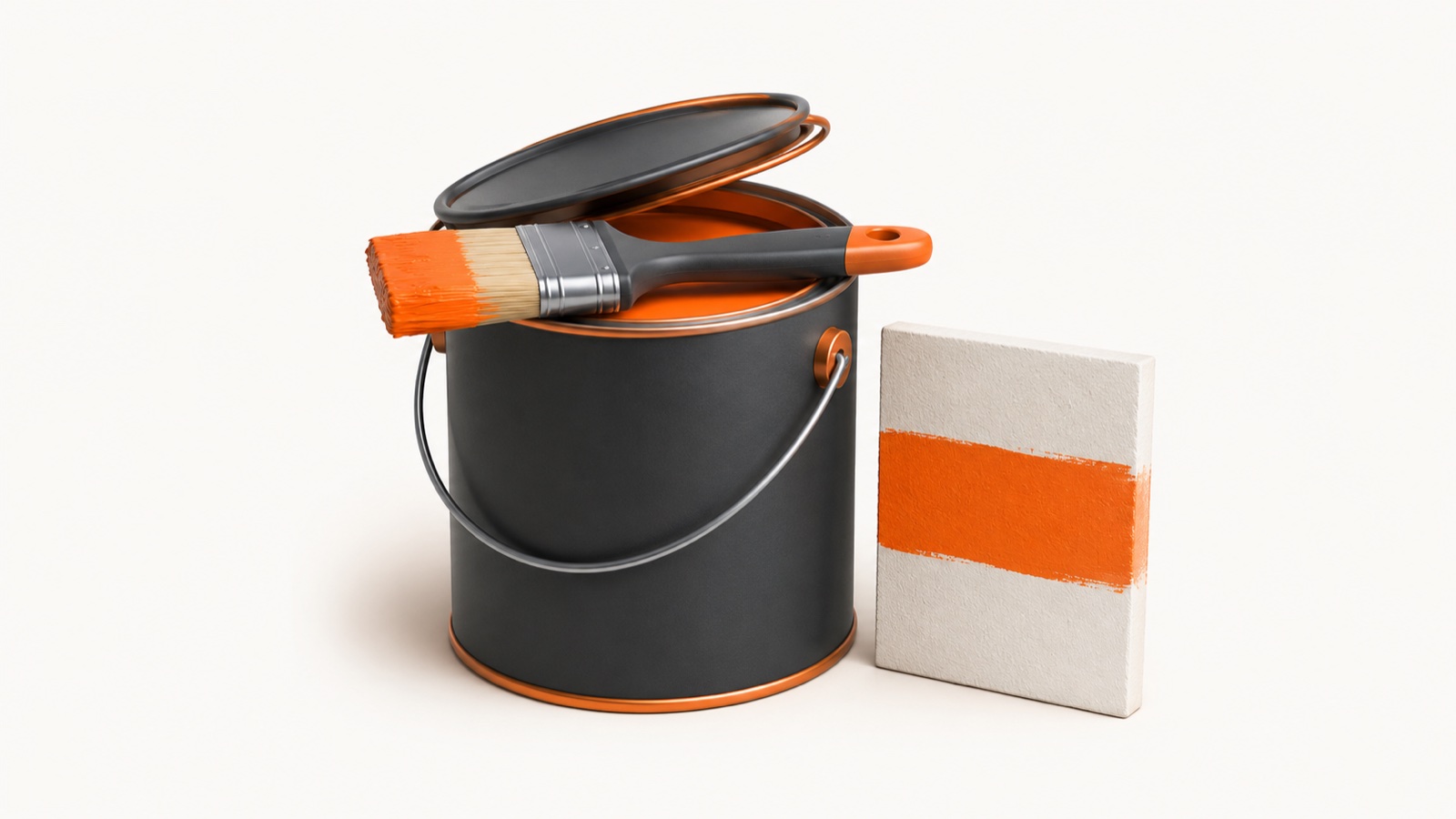
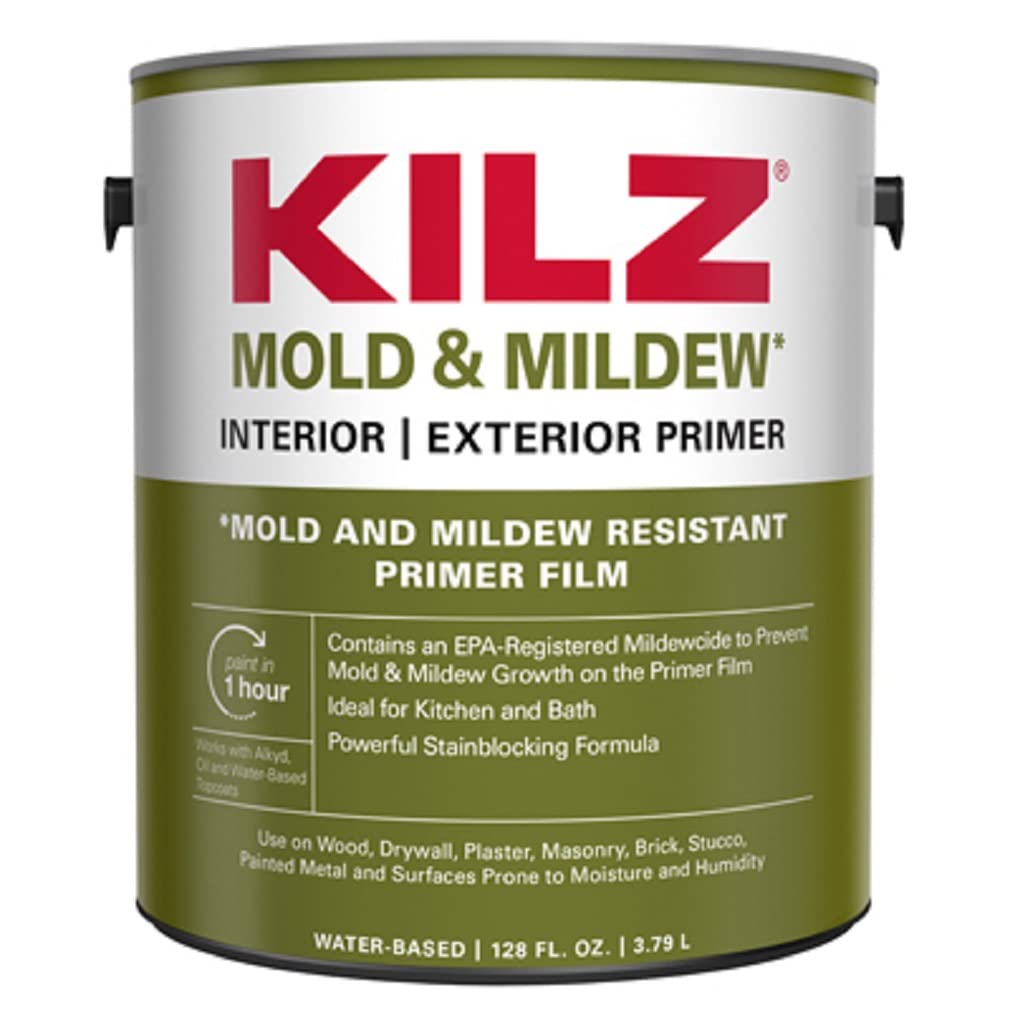
KILZ Mold & Mildew is not a spray-and-wipe cleaner. It is a water-based primer, sealer, and stainblocker with an EPA-registered mildewcide built into the film. The label is specific about what that mildewcide does: it protects the dried primer film from mold and mildew growth. In other words, the finished coat resists mildew, which is exactly what you want on a bathroom ceiling or a laundry-room wall that keeps growing black spots on the paint.
Read the label closely and you see the honest boundary. It is a mold and mildew resistant primer film. That is a different claim from a fungicidal product that you paint directly over live mold. KILZ Mold & Mildew is designed to go on a clean, dry surface and keep new mildew from taking hold on the paint. It is not sold as a treatment that kills mold already rooted in the wall. So the order of operations matters: clean off the existing growth first, let the surface dry, then prime.
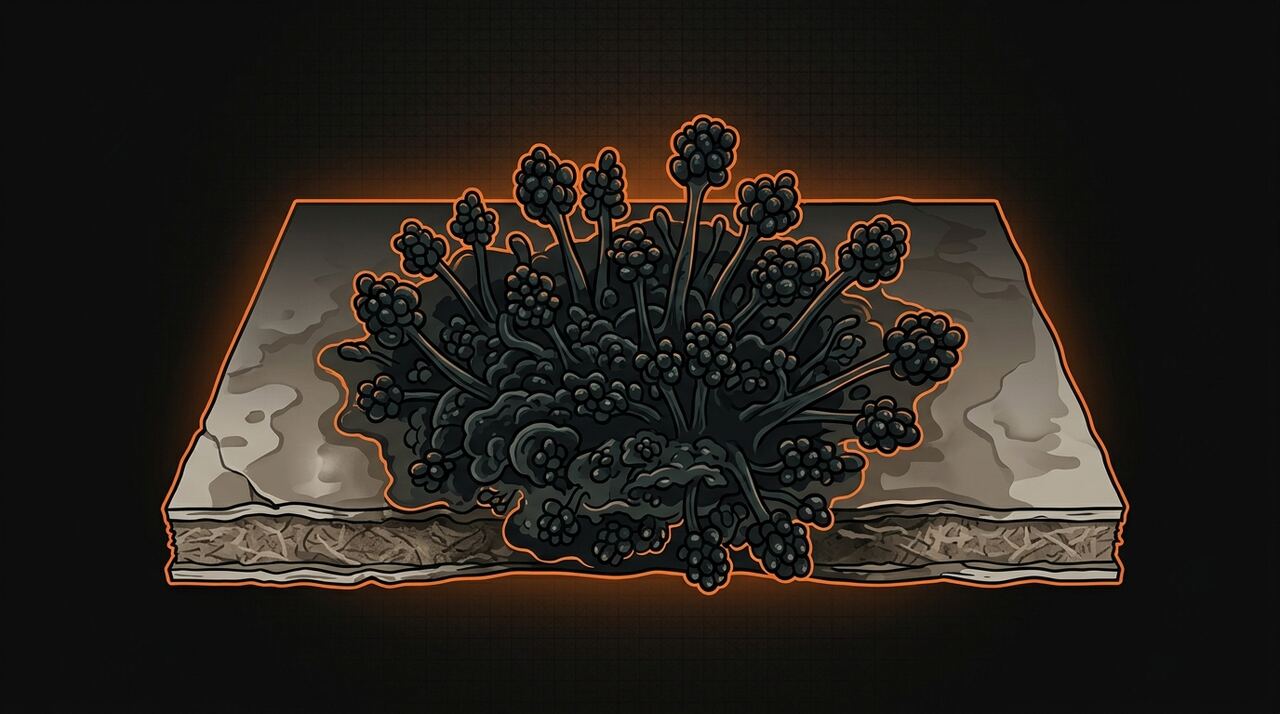
Where it shines is stains. It is a powerful stainblocker that covers medium to heavy stains, including water stains, grease, ink, pencil, marker, and tannin bleed. That is the other reason people reach for it before repainting a damp-prone room. If the growth looks like fuzzy, hairy black mold soaked into porous material, identify it first, because deeply penetrated material needs replacing, not painting.
Where to use it (and where NOT to)
Use it on: Interior and exterior surfaces prone to moisture and humidity. The label names wood, drywall, plaster, masonry, brick, stucco, and painted metal, and calls out kitchens and baths as the ideal setting. It is a good base coat for powder rooms, laundry rooms, basement walls, and window and door trim in damp areas. It works with alkyd, oil, and water-based topcoats, so you can finish it with almost any paint.
Do NOT use it on: Live mold you have not cleaned first. This is a resistant primer, not a remediation product, so priming straight over active growth traps the problem under the paint instead of solving it, the same failure mode we break down in can you paint over mold. It also will not reach mold that has rooted deep into porous drywall paper or bare wood. If the paper is soft or the wood is punky, no primer saves it. Cut the material out plus 12 inches beyond visible growth and replace it.
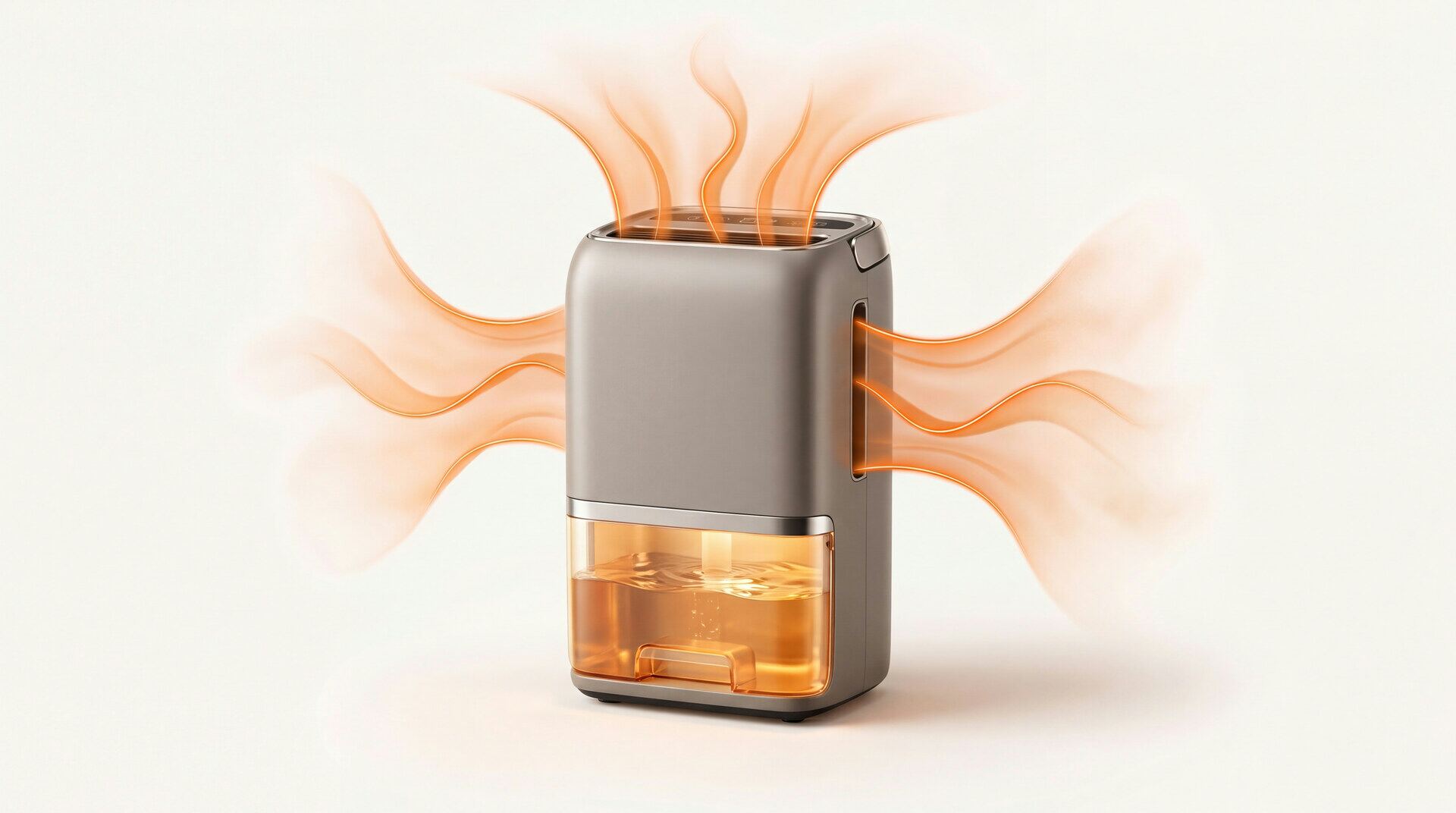
It does not replace fixing the water. The first rule of mold work is fixing the moisture source. If a pipe leaks or the room stays damp, a resistant primer slows regrowth but it will not stop it. Fix the leak, dry the area, then prime. Keep humidity under 50 percent with a dehumidifier so it does not come back.
Not sure how serious the problem is yet? Use our free water-damage documentation helper to record accessible water-event conditions.
Step by step application
Step 1: Protect yourself. Wear an N95 mask, gloves, and goggles. Cleaning and sanding mold disturbs it, and disturbed mold releases spores. Turn off HVAC in the room so you do not spread spores through the ducts.
Step 2: Clean and dry the surface first. Because this primer resists mildew rather than killing it, remove the existing mold before you paint. Clean the surface, let it dry fully, and make sure it is free of grease and loose material. Priming over a wet or dirty surface undermines both the seal and the mildew resistance.
Step 3: Apply a uniform coat. Brush, roll, or spray an even coat so the whole surface is covered. Coverage runs about 300 to 400 square feet per gallon depending on method and how porous or smooth the surface is. On heavily stained or porous areas, plan on a second coat.
Step 4: Let it dry and recoat. It dries to the touch in about 30 minutes and can be recoated or topcoated after 1 hour. Apply it when the surface and air are above 50 degrees Fahrenheit. Clean up with soap and water.
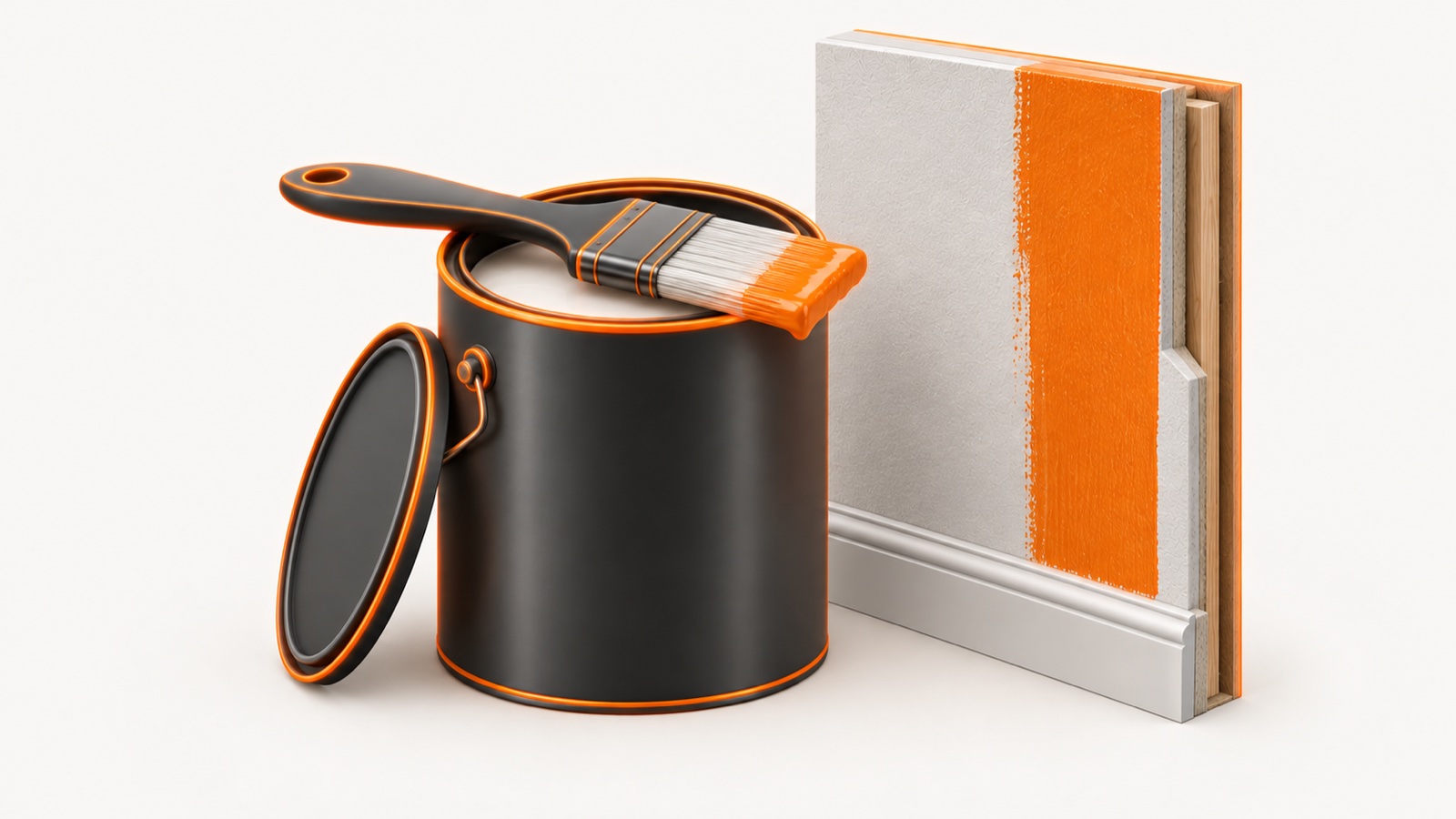
Step 5: Topcoat. Finish with a quality alkyd, oil, or water-based paint. In a bathroom or kitchen, a mold and mildew resistant finish paint on top of this primer gives the durable, wipeable surface you actually live with. The primer resists mildew on the film underneath; the topcoat is what you see and clean.
KILZ vs Zinsser vs Concrobium
KILZ Mold & Mildew vs bleach: Different jobs. Bleach is a surface cleaner that adds moisture and leaves nothing behind. This primer seals a clean surface and leaves a mildew-resistant, paintable film. For mold work, bleach is a poor choice on porous material, and the primer is the better step when your real goal is to seal and repaint a damp-prone surface after cleaning.
KILZ Mold & Mildew vs Zinsser Mold Killing Primer: This is the key comparison, and the claims are genuinely different. Zinsser Mold Killing Primer is EPA registered as a fungicidal primer you can paint directly over existing surface mold on non-porous surfaces. KILZ Mold & Mildew is a resistant primer whose mildewcide protects the dried film, so you clean the mold off first. Pick Zinsser when you want to prime straight over surface growth on a non-porous surface. Pick KILZ when the surface is already cleaned and you want a strong stainblocking base coat with mildew resistance across wood, drywall, plaster, masonry, and brick.
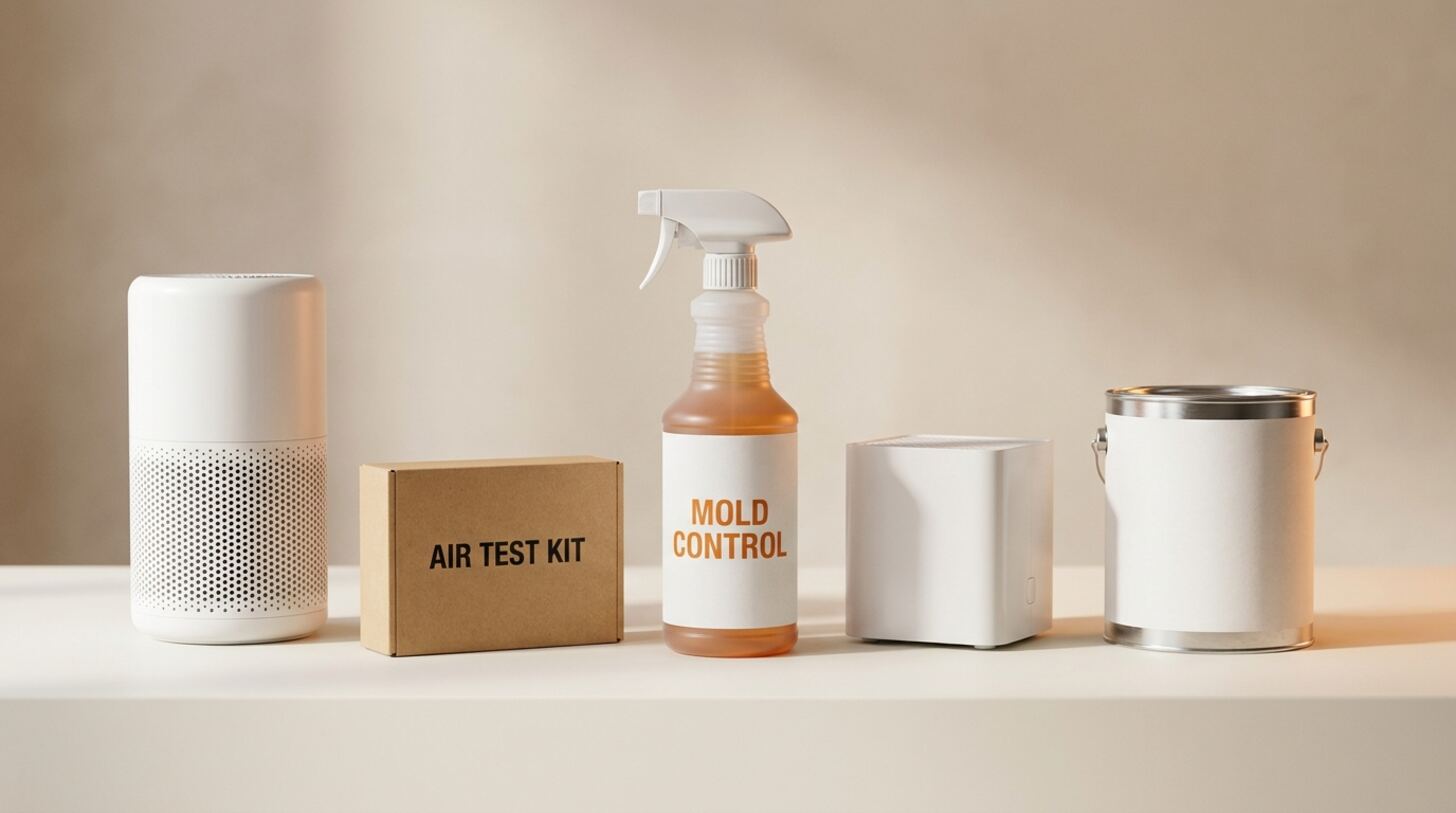
KILZ Mold & Mildew vs Concrobium: Pick by goal. Concrobium Mold Control is a clear spray that crushes mold at the root as it dries and leaves no paint film, so it is best when you want to clean a surface and leave it as is. KILZ Mold & Mildew is white and is best when the plan is to prime and paint afterward. Many people clean with Concrobium first, then prime with KILZ and topcoat.
KILZ Mold & Mildew vs KILZ Restoration: Do not mix these up. KILZ Restoration is a maximum stain and odor blocking primer, but the manufacturer says it is not for areas prone to mold and mildew. For a damp-prone room, the Mold & Mildew line is the correct pick because its film carries the mildewcide.
For how it stacks up against every other option, see our full guide to the best mold cleaning products.
Pros and cons
Pros: Water-based primer with an EPA-registered mildewcide that resists mold and mildew growth on the dried film. Built for kitchens, baths, and other surfaces prone to moisture and humidity. Powerful stainblocking that covers medium to heavy stains, including water, grease, ink, and tannin. Dries to the touch in about 30 minutes and recoats in 1 hour. Sticks to wood, drywall, plaster, masonry, brick, stucco, and painted metal. Works with alkyd, oil, or water-based topcoats. Low odor and cleans up with soap and water.
Cons: It resists mold on the film rather than killing it, so you must clean existing mold before you prime. It is a primer, not a finish, so you need a topcoat and often a second coat for even coverage. It will not reach mold rooted deep in porous drywall paper or bare wood, which needs replacing. It does not fix the moisture source. The 13 ounce aerosol sold under the same name is a separate oil-based product, so check the can if you specifically want the water-based version.
Our rating: 4.2 / 5. Excellent for its lane, which is priming and sealing a cleaned, damp-prone surface so the finished wall resists mildew. Two honest caveats: it is not a mold killer, and it needs a topcoat.
Bottom line: If your plan is to repaint a bathroom, kitchen, or laundry-room wall after cleaning off the mold, this is a strong base coat. Clean and dry the surface, prime with KILZ Mold & Mildew, then topcoat with a quality paint. For growth that has soaked into porous drywall or wood, cut the material out instead. For areas larger than 10 square feet or toxic species like Stachybotrys, hire a qualified mold remediation professional who follows the IICRC S520 standard. See how it compares in our best mold-resistant paints roundup.
EPA-registered mildewcide · water-based · best mold-resistant primer for kitchen and bath. Affiliate link.
Skip this product if
- You have not cleaned off the existing mold yet. This primer resists new mildew on the film; it does not kill mold already growing on the wall. Clean first, then prime.
- The mold has soaked into porous drywall paper or bare wood. A surface primer will not reach roots inside porous material. Cut it out and replace it.
- You want a one-step cleaner with no painting. This is a primer, not a spray-and-wipe. Reach for a clear mold control spray instead.
- You will not apply a topcoat. It is a base coat and needs a finish coat for durability and full coverage.
- You have not fixed the water yet. Any coating fails if the moisture source keeps feeding the mold.
- You specifically need the aerosol. The 13 ounce spray under the same name is a separate oil-based product, not the water-based can reviewed here.
Does KILZ kill mold?
No. KILZ Mold & Mildew Primer does not kill mold that is already growing on your wall. Its EPA-registered mildewcide protects the dried primer film from new mold and mildew growth.
A lot of people ask "does KILZ kill mold" because the can says mildewcide, and that word sounds like a killer. On this product it describes what is built into the paint film once it dries. The label does not sell it as a treatment for growth already rooted in the wall, so priming over live mold traps the problem under the coat.
Does KILZ kill black mold?
No, and the color of the growth does not change that. The claim on the can is the same for every kind of mold and mildew: it protects the primer film, and it does not treat what is already in the wall. Clean the visible growth off, let the surface dry, then prime. If the patch is bigger than 10 square feet, or you think it could be Stachybotrys, hire a qualified remediation professional who follows the IICRC S520 standard.
What to do if you want the mold gone before you paint
- Fix the water source that fed the growth.
- Clean off the mold while wearing an N95 mask and eye protection.
- Let the surface dry fully.
- Prime with KILZ Mold & Mildew, then add a topcoat.
If you searched for killz mold killer, the brand is spelled KILZ, and this can is a resistant primer, not a mold killer. Zinsser Mold Killing Primer is the one made to be painted over surface mold, and this page compares the two side by side.
Can you use KILZ paint for mold?
Yes, but as a base coat and not a finish. KILZ Mold & Mildew is a primer, so it goes on a cleaned, dry surface and gets a topcoat of paint over it.
Shoppers use kilz paint and kilz primer to mean the same can. On this page both mean the water-based Mold & Mildew primer with an EPA-registered mildewcide in the film. Does KILZ primer kill mold that is already on the wall? No. Clean it off first.
It is a good kilz primer for mold-prone rooms in one specific way. After it dries, the film resists new mildew, which is what you want under the paint in a bathroom, kitchen, laundry room, or basement wall. Here is what the label gives you:
- A mildew-resistant primer film once it dries.
- Stainblocking for medium to heavy stains, including water stains and grease.
- Dry to the touch in about 30 minutes and ready to recoat after 1 hour.
- Coverage of about 300 to 400 square feet per gallon.
It does not give you a finished wall. Plan on a topcoat, and on a second primer coat for stained or porous spots. For a bathroom or kitchen, a mold and mildew resistant finish paint over the primer is the durable, wipeable surface you actually live with, and our best mold-resistant paints roundup covers those.
Zinsser Mold Killing Primer vs KILZ Mold and Mildew
Zinsser Mold Killing Primer is EPA registered as a fungicidal primer you can paint directly over existing surface mold on non-porous surfaces. KILZ Mold & Mildew is a resistant primer you apply after the mold is cleaned off.
| KILZ Mold & Mildew | Zinsser Mold Killing Primer | |
|---|---|---|
| What the claim is | EPA-registered mildewcide protects the dried primer film | EPA-registered fungicidal primer |
| Existing surface mold | Clean it off first, then prime | Can be painted directly over on non-porous surfaces |
| Where it fits best | A cleaned surface: wood, drywall, plaster, masonry, brick, stucco, painted metal | Surface growth on non-porous surfaces |
| Stainblocking | Powerful, covers medium to heavy stains | See our Zinsser review |
Zinsser vs KILZ for mold comes down to one question: is there mold on the surface right now? If yes, and the surface is non-porous, Zinsser is the product whose claim covers painting over it. If you have already cleaned the surface and want a stainblocking base coat, KILZ is the better fit.
Weighing KILZ vs Zinsser Mold Killing Primer for a bathroom ceiling? Neither one fixes a damp room. Fix the water first, keep humidity under 50 percent, and if the mold has rooted into drywall paper or bare wood, cut that material out instead of priming over it. Many people also clean with Concrobium first, let it dry, and then prime with KILZ.
Which KILZ is best for mold?
For mold-prone rooms, KILZ Mold & Mildew is the one to buy, because its dried film carries the EPA-registered mildewcide. KILZ Restoration is not the one, since the manufacturer says it is not for areas prone to mold and mildew.
KILZ sells several primers under one name, and the cans look alike on a shelf. Here is how they sort out for mold:
- KILZ Mold & Mildew, the water-based can this page reviews, is built for kitchens, baths, and other damp-prone surfaces.
- KILZ Restoration is a maximum stain and odor blocking primer, and it is the wrong pick for a room that grows mold.
- The 13 ounce aerosol sold under the Mold & Mildew name is a separate oil-based product, so check the can if you want the water-based version.
- KILZ also sells a Kitchen and Bath primer. We have not reviewed it, so read its label for a mildewcide statement before you assume it matches Mold & Mildew.
If you are stuck between the kilz kitchen and bath primer and Mold & Mildew for a damp room, buy the one whose label says the film resists mold and mildew. Whichever you pick, clean and dry the surface first, because none of these primers is a substitute for removing existing growth or fixing the moisture source.
Frequently asked questions
Will KILZ kill black mold?
No. KILZ Mold & Mildew Primer protects the dried primer film from new mold and mildew growth, and that does not change with the color of the growth. Clean off visible mold first and let the surface dry before priming. For a patch over 10 square feet, or growth you suspect is Stachybotrys, hire a qualified remediation professional.
Does KILZ paint kill mold?
No. KILZ Mold & Mildew is a primer with an EPA-registered mildewcide in the dried film, so it resists new mold and mildew on the paint but does not kill growth that is already in the wall. Clean and dry the surface first, prime, then finish with a topcoat.
Is KILZ good for mold?
It is good for one job: priming a cleaned, dry surface in a damp-prone room so the finished wall resists new mildew. It is not a fix for mold that is already growing, because the mildewcide protects the dried primer film and does not kill growth in the wall. Clean the mold off, dry the surface, fix the water problem, then prime and topcoat.
Should I use KILZ or Zinsser for mold?
Use Zinsser Mold Killing Primer if you want to paint directly over existing surface mold on a non-porous surface. Use KILZ Mold & Mildew when the surface is already cleaned and you want a stainblocking base coat with mildew resistance on wood, drywall, plaster, masonry, or brick. Many people clean first, let the surface dry, and then prime with KILZ.
Does KILZ Mold & Mildew Primer kill mold?
Not exactly. It is a mold and mildew resistant primer, not a remediation product. The EPA-registered mildewcide protects the dried primer film from new mold and mildew growth on the paint. It does not kill mold that is already growing in the wall, so remove and clean the existing mold first, let the surface dry, then prime. For mold rooted deep in porous drywall paper or bare wood, replace the material instead of priming over it.
Where should you NOT use KILZ Mold & Mildew Primer?
Do not use it over mold you have not cleaned first, and do not rely on it for porous drywall paper or bare wood where mold has rooted deep. It is not a substitute for fixing the moisture source. Note that the 13 ounce aerosol sold under the same name is a separate oil-based product, not the water-based can reviewed here.
How long does KILZ Mold & Mildew Primer take to dry?
The KILZ mold and mildew primer dries to the touch in about 30 minutes and can be recoated or topcoated after 1 hour. Apply it when the surface and air are above 50 degrees Fahrenheit for a clean cure.
How much does KILZ Mold & Mildew Primer cover?
About 300 to 400 square feet per gallon, depending on application method and how porous or smooth the surface is. Apply it uniformly so the whole surface is coated.
Is KILZ Mold & Mildew a paint or a primer?
It is a primer, not a finish coat. It is designed to be topcoated with an alkyd, oil, or water-based paint. Plan on a finish coat, and sometimes a second primer coat for even coverage on stained or porous surfaces.
Can you use KILZ Mold & Mildew Primer in a bathroom?
Yes. It is built for kitchens, baths, powder rooms, and laundry rooms, the damp-prone rooms where mildew grows on paint. Clean and dry the surface first, prime with it, then topcoat with a quality paint so the finished wall resists new mildew.
Sources
Every claim on this page traces to one of these. Links open the primary document.