
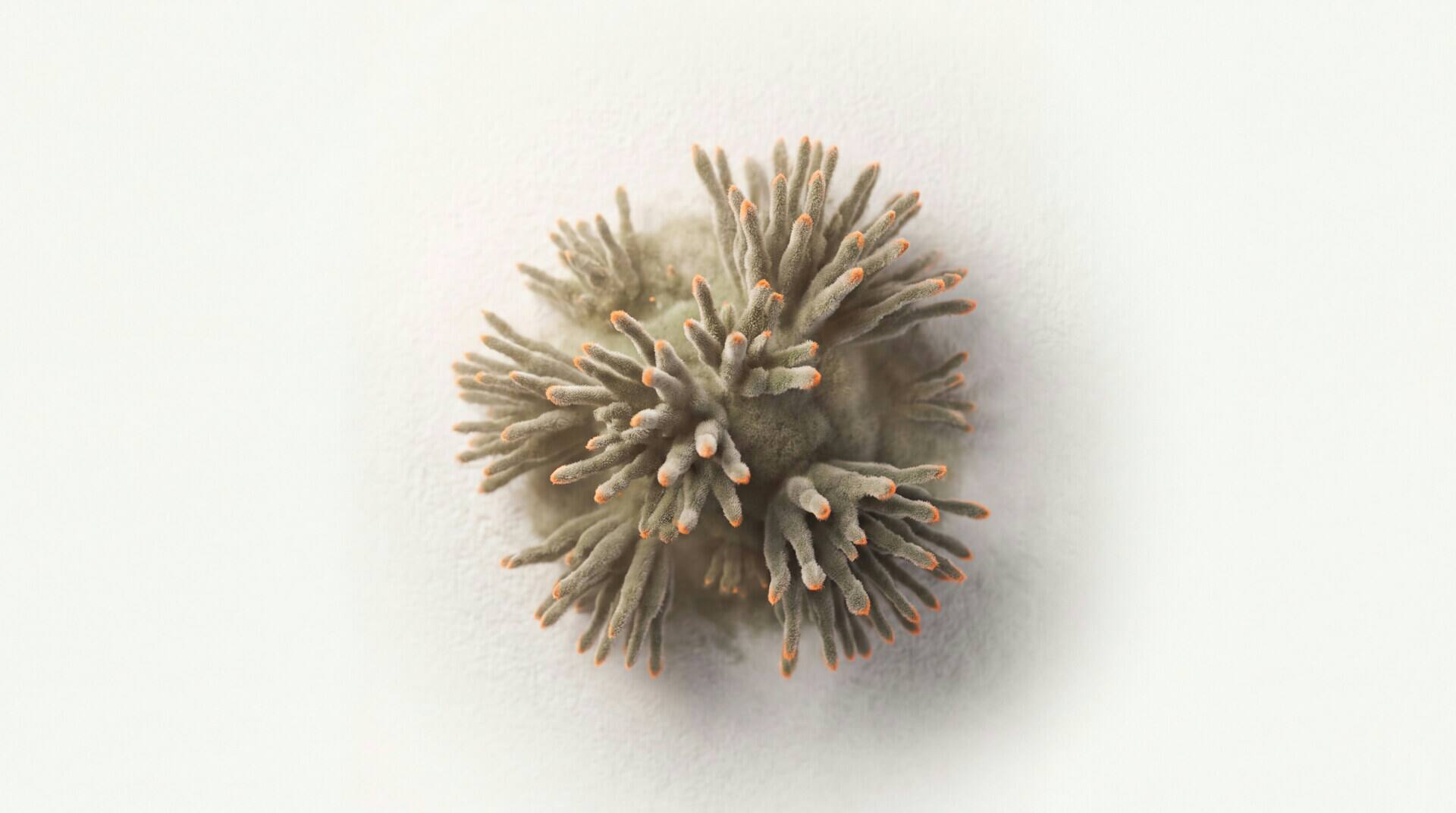
What Green Appearance Can and Cannot Tell You
Color, texture, and odor may help describe a visible condition. They cannot identify the material or species and should never be converted into a personal risk band.
| Observation | What it can document | What it cannot determine |
|---|---|---|
| Green color | How a surface appears under current lighting | Mold, species, toxicity, or health risk |
| Powdery, fuzzy, or smooth texture | A visible surface pattern | The organism, source, or exposure |
| Musty odor | A reason to investigate dampness | The location, species, amount, or symptom cause |
| Leak or condensation | A moisture condition that needs correction | Hidden extent or safe occupancy |
CDC/NIOSH guidance says mold color does not indicate whether it is more or less dangerous. The practical response to indoor growth is moisture correction and safe cleanup, regardless of color.
Separate Building Evaluation from Health Evaluation
CDC describes possible health effects from damp and moldy environments, and individual responses vary. A green patch, photo, home sample, or web tool cannot establish a person's exposure, diagnose a condition, or prove what caused a symptom.
People with health concerns should consult a qualified healthcare professional. People with weakened immune systems should follow guidance from their own care team before participating in cleanup. Those medical decisions do not turn color into a diagnostic signal.
Let Scope and Hazards Guide the Response
Assess the total affected area, material, moisture source, access, and whether the situation involves sewage, flooding, HVAC equipment, electricity, structure, or concealed damage.
EPA says many areas smaller than about 10 square feet can often be handled by a homeowner who can do the work safely and follows agency guidance. Extensive growth or water damage, contaminated water, HVAC involvement, or inaccessible work calls for additional precautions or experienced professional help.
Use EPA Cleanup and Product-Label Guidance
Correct the moisture source before cleanup. EPA generally recommends cleaning mold from hard surfaces with water and detergent and drying completely. Porous materials that remain damaged or cannot be cleaned may need to be discarded.
Use protective equipment appropriate to the task and follow every cleaning product label. Never mix bleach with ammonia or other cleaners. Do not rely on a color-specific cleaner, fixed contact time, or unverified chemical recipe.
CDC does not recommend routine home mold testing. When a specific legal, building, or remediation question requires sampling, use a qualified professional who can design and interpret it in context.
Sources: CDC mold guidance, CDC/NIOSH testing and remediation guidance, and EPA mold cleanup guidance.
Frequently asked questions
Is green-colored indoor growth dangerous?
Color alone cannot answer that question. CDC guidance says mold color does not indicate whether it is more or less dangerous. A building observation also cannot measure exposure or assess an individual health risk.
Can green color identify a mold species?
No. Different molds can share a color, one species can vary in appearance, and non-mold materials can look similar. A photo cannot confirm mold or identify Cladosporium, Penicillium, Aspergillus, or any other species.
Is green growth worse than black growth?
No color ranking is valid. Black, green, white, and other colors do not establish species, toxicity, exposure, or health risk. Indoor growth of any color points to a moisture condition that should be addressed safely.
Does a powdery green texture identify mold or make it higher risk?
No. Texture and color can document appearance but cannot identify the material, species, or risk. Avoid disturbing unknown material merely to classify it, and investigate the moisture source.
Can a green patch explain a symptom?
A photo, color, or building observation cannot diagnose a symptom or prove its cause. CDC describes possible health effects from damp and moldy environments, but individual evaluation belongs with a qualified healthcare professional.
Sources
Every claim on this page traces to one of these. Links open the primary document.