What the 211+ Auto actually does about mold
Start with the honest version, because most air purifier marketing skips it. A purifier moves room air through a filter and holds whatever the filter can catch. That is the whole mechanism. It does not dry a damp wall, it does not lift growth off tile or drywall, and it does nothing about the leak or the humidity that started the problem. The EPA is blunt on the order of operations: fix the moisture, clean or remove the affected material, then keep humidity down. A purifier supports that work. It never replaces it.
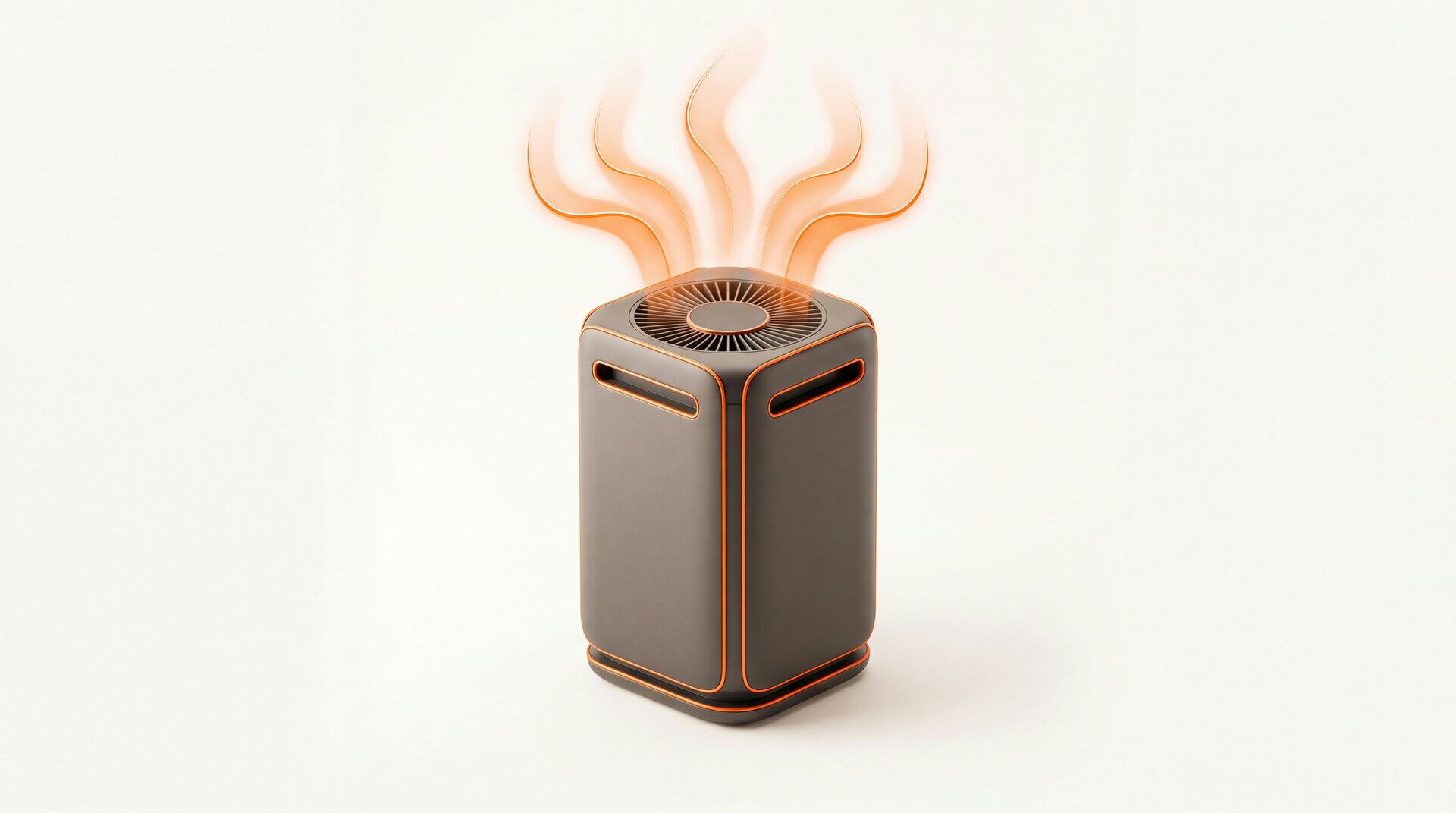
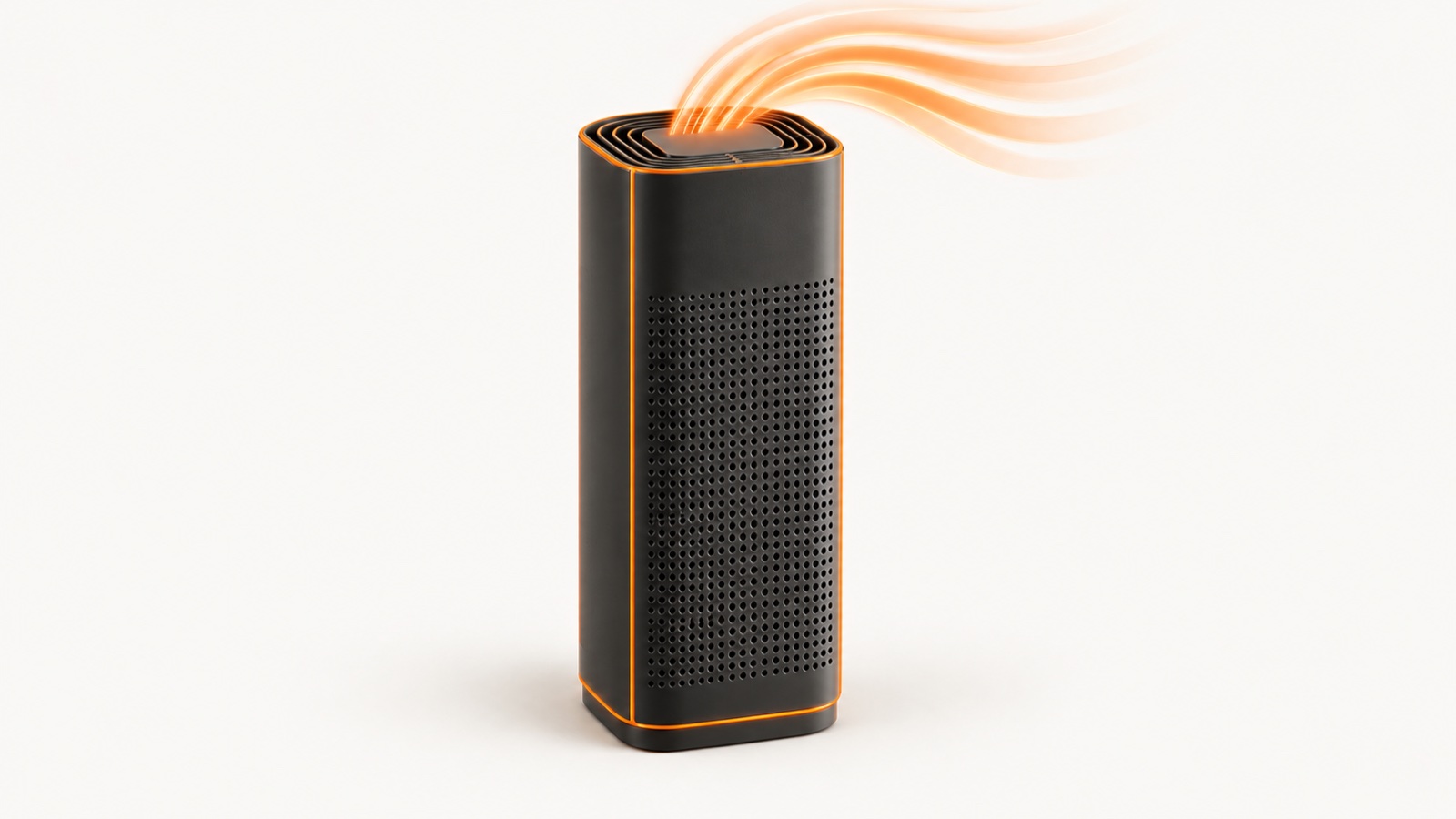
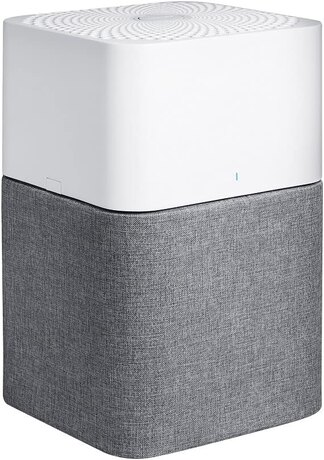
Inside that lane, the 211+ Auto does its job well. Household mold spores run roughly 2 to 10 microns across. Blueair's HEPASilent technology combines a mechanical filter layer with an electrostatic charge rather than a certified HEPA H13 filter, and the company rates the combined stack at 99.97 percent capture for particles down to 0.1 microns, well below spore size. The washable fabric pre-filter catches hair and larger debris before it reaches the main filter, and an activated carbon layer handles some of the musty smell that follows a damp room, though a smell fading is not evidence the growth is gone.
If you specifically want a certified true-HEPA filter rather than HEPASilent's combined mechanical-and-electrostatic approach, Blueair sells a SmokeBlock upgrade filter that fits the same housing for more money. For most mold-adjacent airborne particle work, the standard Particle + Carbon filter this unit ships with is the one most owners run. If the growth itself is on a porous surface like drywall or wood, the material still has to come out.
Verified specifications
| Model | Blue Pure 211+ Auto |
| CADR | 350 CFM combined, AHAM Verified (353 smoke / 380 pollen, manufacturer) |
| Filtration | Three stage: washable fabric pre-filter, HEPASilent particle filter, activated carbon. Rated 99.97 percent at 0.1 microns |
| Coverage claim | 2,640 sq ft once per hour, or 550 sq ft every 12.5 minutes |
| Dimensions | 20 in tall x 13 in wide x 13 in deep |
| Weight | 12.98 pounds |
| Rated power | Independent testing measured 0.1 watts standby, 16.9W low, 40.5W medium, 54.5W high |
| Noise, manufacturer | 23 dB(A) lowest setting up to 56 dB(A) highest |
| Noise, measured | 37.2 dB speed 1, 45.8 dB speed 2, 55.7 dB speed 3, 3 feet from unit |
| Replacement filter | Particle + Carbon, about $70, every 6 months |
| Auto mode | Integrated PM2.5 particle sensor, RealTrack filter-life algorithm |
| Smart control | None on this model. WiFi and app control are exclusive to the pricier 211i Max |
| Certifications | AHAM Verified, ENERGY STAR |
Two of those rows disagree with each other on purpose. Blueair advertises noise as low as 23 dB(A), which is the marketing figure. HouseFresh put the unit on a bench and measured 37.2 dB on the same low setting. Both numbers are in the table because the gap between them is what you will actually hear, not what the box promises.
The room size number to trust
Blueair prints two coverage figures and they describe very different things. 2,640 square feet is the area the unit can turn over once in an hour. 550 square feet is the area it turns over every 12.5 minutes, which works out to 4.8 air changes per hour.
For mold work, the second number is the only one worth planning around. One air change per hour means spores you stir up while scrubbing spend most of the hour still in the room. Four to five changes per hour is where a purifier starts meaningfully lowering what stays airborne during and after cleanup. So treat about 550 square feet as this unit's honest working ceiling, and read the 2,640 figure as a marketing number rather than a room you should actually put it in.
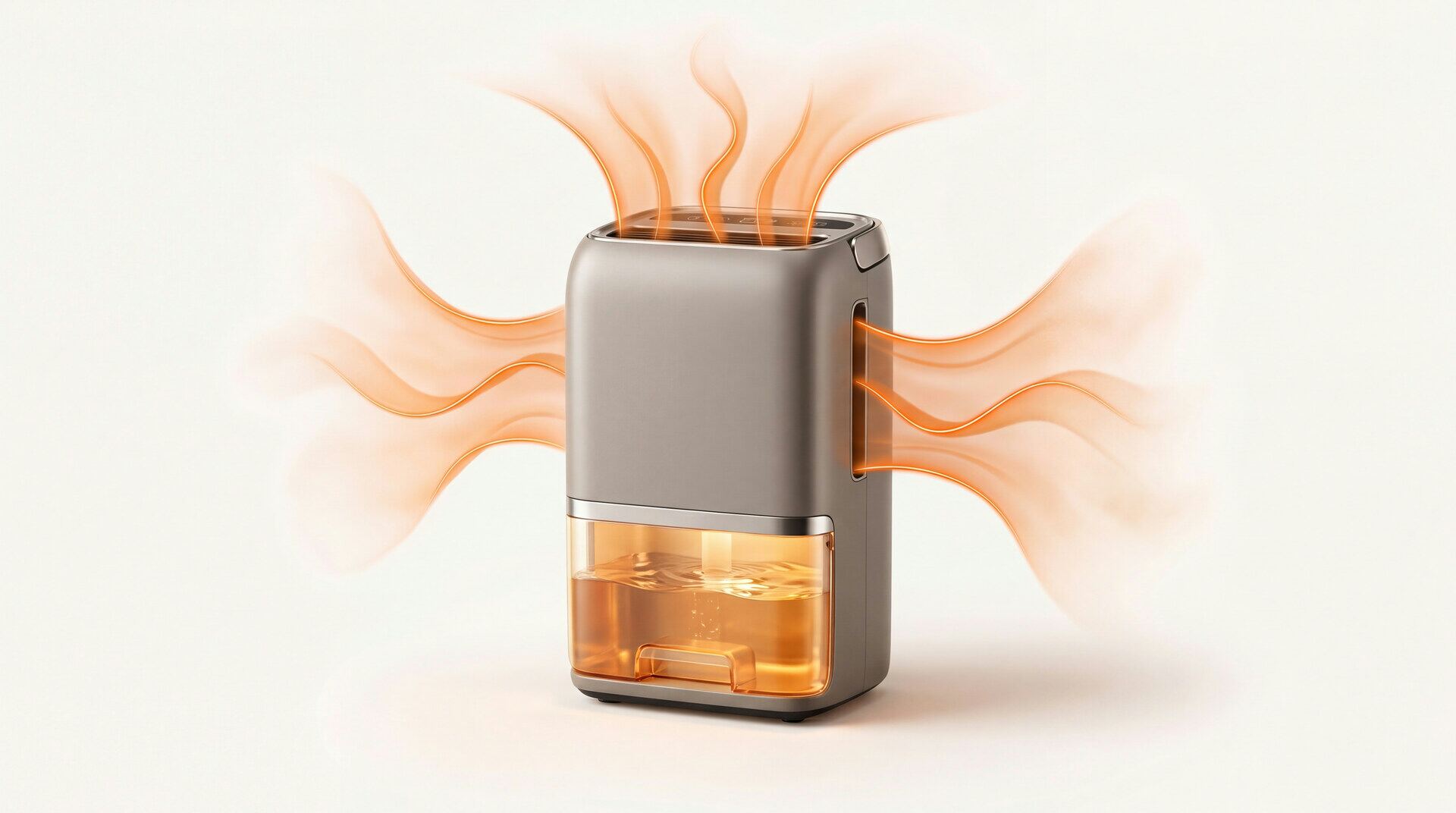
Placement matters more than people expect. Put it in the room you are working in, not the hallway, keep it a foot or so off the wall so the fabric pre-filter is not choked, and close the door to the rest of the house so you are not asking it to clean the whole floor plan. If you are treating a basement, pair it with a dehumidifier holding humidity under 50 percent, because the purifier does nothing about the moisture that caused this.
Noise and what it costs to run
Noise. HouseFresh measured 37.2 dB on speed 1, 45.8 dB on speed 2, and 55.7 dB on speed 3, all above the low-30s number Blueair's marketing leads with. It stays audible above the lowest setting, the same tradeoff every large-room purifier makes, but at 55.7 dBA on high it measures quieter than several other large-room units on the market, including our large-room value pick, the Levoit Core 600S, which hit 62.3 dBA at top speed on the same test bench.
Running cost. Power is the cheap part. ENERGY STAR certification and a measured 54.5 watts at top speed mean the electricity barely registers. Filters are where the money goes. The Particle + Carbon replacement runs about $70 and Blueair calls for a change every 6 months, so budget roughly $140 a year.
The washable pre-filter helps. Unlike a bonded cartridge that forces you to discard everything at once, the fabric pre-filter is reusable: rinse or vacuum it and it keeps catching hair and larger debris, which stretches how long the main filter stays effective between the $70 replacements. It also comes in 5 colors if that matters for the room it lives in.
Pros and cons
Pros: 350 CFM CADR with AHAM Verified certification, so the airflow claim was tested by an accredited body rather than asserted by Blueair alone. HEPASilent three-stage capture rated 99.97 percent at 0.1 microns, comfortably below mold spore size. A washable fabric pre-filter, available in 5 colors, that cuts down on filter waste and stretches the main filter's life. An Auto mode with an integrated PM2.5 sensor that long-term reviewers describe as responsive rather than gimmicky. Measurably quieter at top speed than several other large-room purifiers, at 55.7 dBA measured. ENERGY STAR certified and cheap to power, 54.5 measured watts even at top speed.
Cons: No WiFi or app control; that feature lives on the separate, pricier 211i Max. The standard filter is HEPASilent, not a certified true HEPA H13 filter, and the SmokeBlock upgrade that gets you there costs more than the standard filter. Filters run about $70 every 6 months, roughly $140 a year. Still audible above the lowest fan speed. The 2,640 square foot coverage claim is one air change per hour and overstates the room size this unit is actually sized for.
Our rating: 4 out of 5. It filters a large room's worth of air quietly for the price, with an Auto mode reviewers actually trust, but the missing app control and the HEPASilent-not-H13 gap both cost it half a point against pricier siblings in its own lineup.
Bottom line: Buy it if you want a large-room purifier that runs itself through Auto mode and you do not need app control or a certified H13 filter out of the box. Run it while you clean and keep it running afterward. Then go fix the water, because that is the part that actually ends the problem. It is our best quiet auto-mode pick in the best air purifier for mold guide, and it sits alongside the rest of our tested gear on the best mold products hub.
Skip this product if
- Your room is well under 550 square feet. A smaller, cheaper large-room purifier does the same job for less ongoing filter cost.
- You want app or WiFi control. That feature lives on the 211i Max, not this unit.
- You need a certified true-HEPA H13 filter out of the box. The standard filter is HEPASilent, not H13; the SmokeBlock upgrade filter costs more.
- You expect it to remove mold. It filters air. Growth on a surface has to be cleaned off or the material cut out and replaced.
- You have not fixed the water yet. Running a purifier over an active leak treats the symptom forever. Find the source first.
- You need whisper-quiet at full airflow. It is quieter than several rivals at top speed, but 55.7 dBA measured is still audible across a room.
Best quiet auto-mode · AHAM Verified · ENERGY STAR. Affiliate link.
Frequently asked questions
Does the Blueair Blue Pure 211+ Auto remove mold spores?
It captures airborne mold spores that pass through its filter, not growth already on a surface. Household mold spores run roughly 2 to 10 microns across. Blueair's HEPASilent stack combines mechanical filtration with electrostatic charging and is rated to capture 99.97 percent of particles down to 0.1 microns, the hardest size band to catch, so spores sit well inside what the filter holds. It cannot touch mold already growing on drywall or wood, and it does nothing about the moisture that let it start.
How big a room does the 211+ Auto actually cover?
Blueair rates it at 2,640 square feet cleaned once per hour, or 550 square feet cleaned every 12.5 minutes, which works out to 4.8 air changes per hour. The second number is the one to plan around for mold work. Treat roughly 550 square feet as the honest working ceiling and read the 2,640 figure as a marketing number, not a room size.
How loud is the Blueair Blue Pure 211+ Auto?
Blueair advertises 23 dB(A) on the lowest setting up to 56 dB(A) on the highest. Independent bench testing by HouseFresh measured 37.2 dB on speed 1, 45.8 dB on speed 2, and 55.7 dB on speed 3, all read 3 feet from the unit. It stays audible above the lowest setting, but it measures quieter at top speed than several other large-room purifiers.
What does the 211+ Auto cost to run per year?
The Particle + Carbon replacement filter runs about $70 and Blueair calls for a change every 6 months, so budget roughly $140 a year. The washable fabric pre-filter is reusable and does not add to that cost; rinsing or vacuuming it regularly extends the main filter's life. Power draw is minor: bench testing measured 16.9 watts on low and 54.5 watts on high.
What is the difference between the Blue Pure 211+ and the 211+ Auto?
They share the same motor, fan and filter stack. The Auto adds an integrated PM2.5 particle sensor and an Auto mode that raises or lowers the fan speed on its own based on real-time air quality, plus Blueair's RealTrack algorithm for estimating remaining filter life. Neither version has WiFi or app control; that feature lives on the separate, pricier 211i Max.
Is the standard filter true HEPA?
No. Blueair's HEPASilent technology combines a mechanical filter layer with electrostatic charging rather than a certified HEPA H13 filter, and the company states it captures 99.97 percent of particles at 0.1 microns through that combined process. If you specifically want a certified H13-grade filter, Blueair sells a SmokeBlock upgrade filter that fits the same housing, at a higher price than the standard Particle + Carbon filter.
Will an air purifier fix a mold problem on its own?
No. A purifier filters particles out of the air passing through it. It does not dry a wet wall, does not clean growth off a surface, and does not stop the leak or humidity feeding the problem. The EPA is direct about this: fix the moisture source first, clean or remove the affected material, then keep indoor humidity down. A purifier supports that work; it is never the fix.
Is the Auto mode reliable?
Reviewers who have run it for months describe the sensor as responsive, ramping the fan up when it detects a spike and dropping back to quiet operation once the air clears. During active cleanup work, it is still worth setting a fixed speed manually rather than trusting the sensor to react instantly to spores kicked up by scrubbing or cutting material.
Should you run it while cleaning mold?
Yes, and keep it running afterward. Scrubbing or cutting mold-affected material throws spores into the air, and a running purifier in the same room gives those particles somewhere to go. Wear an N95 and gloves regardless; the purifier reduces what stays airborne, it does not make protective gear optional.
Sources
Every claim on this page traces to one of these. Links open the primary document.