How the AirDoctor 3500 works
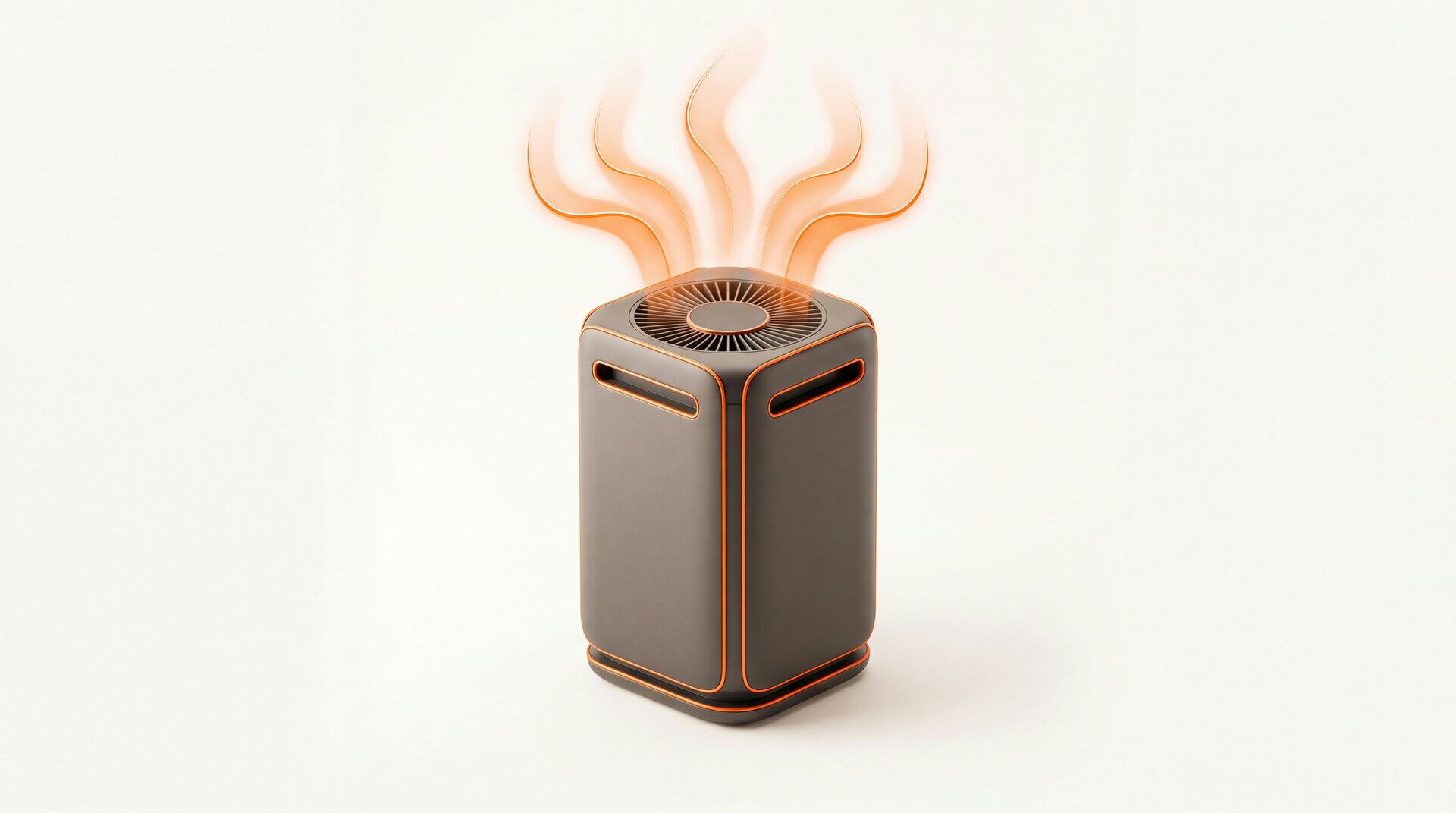
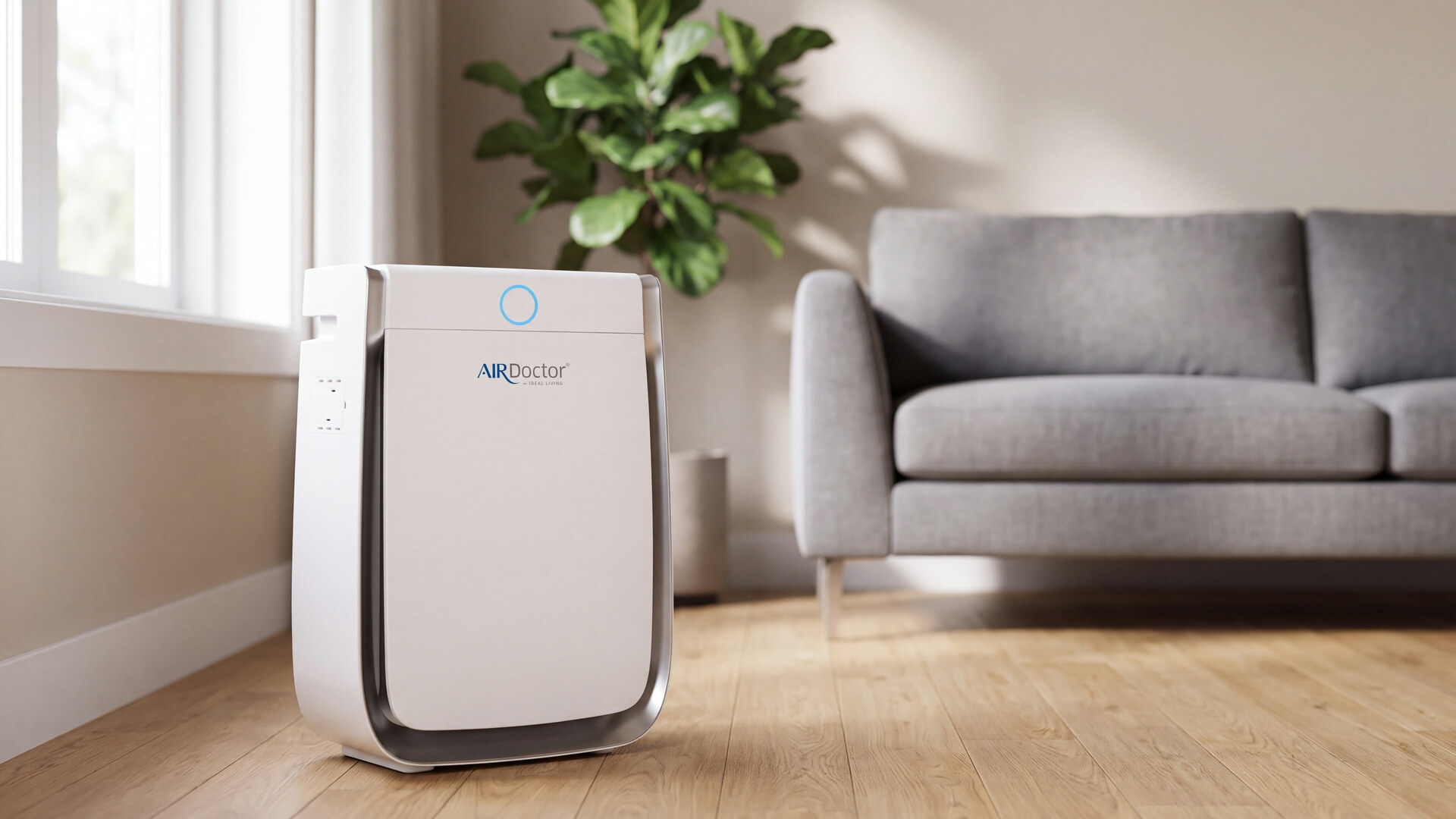
The AirDoctor 3500 runs air through three filtration stages. A pre-filter catches large particles like hair, dust, and pet fur first. A carbon/VOC filter absorbs odors, smoke, and chemical fumes, including the musty smell that often comes with a mold problem. The last stage is AirDoctor's UltraHEPA filter, independently tested to capture 99.99% of airborne particles down to 0.003 microns. That is roughly 100 times smaller than the particle size the standard HEPA rating is tested against, and mold spores, which typically run 2 to 10 microns, fall well within what it traps.
An air purifier only treats what is currently airborne. It pulls spores that are floating in the room through the filter and traps them there. It has no way to reach mold that has already colonized a wall, ceiling tile, or piece of drywall, because that mold is not moving through the air, it is attached to a surface. If the growth looks like fuzzy, hairy black mold on a surface, identify and clean the surface itself; the purifier is a supplement to that work, not a replacement for it.
Where it helps with mold, and where it does not
Where it helps: A room where mold has already been cleaned but spore counts may still be elevated. A room adjacent to an active remediation job, to reduce spores drifting from the work area. A home with a known past mold issue where ongoing air quality is a concern. Bedrooms and living areas where reducing general airborne allergens, including spores, is the goal.
Where it does not help: Mold growing on a wall, in a shower, on a windowsill, or anywhere else on a surface. No air purifier, including this one, physically removes surface growth. It also does nothing about the moisture source. The EPA's guidance is direct on this point: fix the leak or humidity problem first, clean the visible mold, and only then treat an air purifier as a supplement for lingering airborne particles. Running one in a room with an active water leak and untreated mold will not solve the underlying problem.
Not sure how serious the problem is yet? Use our free water-damage documentation helper to record accessible water-event conditions.
Coverage, noise, and filter cost
Coverage: AirDoctor rates the 3500 to circulate a 630 square foot room 4 times an hour, or a 1,260 square foot room twice an hour. For a room with an active concern, sizing down and running more air changes per hour is the better call than sizing up for coverage alone.
Noise: The WhisperJet fan system is quiet on its lower speeds, and auto mode keeps it there unless the built-in sensor detects a spike in particles. Owners of the 3500 and 3500i report the top fan speed is noticeably louder, in the high 50 decibel range, closer to a running dishwasher than background hum. For a bedroom, plan to run it on a lower or auto setting overnight.
Filter cost: Budget roughly $150 a year. The UltraHEPA filter is rated for about 12 months of use, and the carbon/VOC filter needs replacing roughly every 6 months, so a full year of upkeep runs one HEPA filter plus two carbon filters. That is a real ongoing cost worth weighing against cheaper units with similarly rated filtration.
AirDoctor 3500 vs other air purifiers
AirDoctor 3500 vs AirDoctor 3000: Same 3-stage UltraHEPA and carbon/VOC filtration. The 3500 is the larger unit with more coverage and a higher CADR, better suited to a living room or larger bedroom. The 3000 fits a smaller room at a lower price when it is in stock.
AirDoctor 3500 vs a standard True HEPA purifier: Standard True HEPA is tested and certified down to 0.3 microns. UltraHEPA is independently tested down to 0.003 microns, a meaningfully smaller particle size, though most mold spores at 2 to 10 microns are caught by either type. The real difference shows up on smoke, fine dust, and ultrafine particles, where UltraHEPA has the edge.
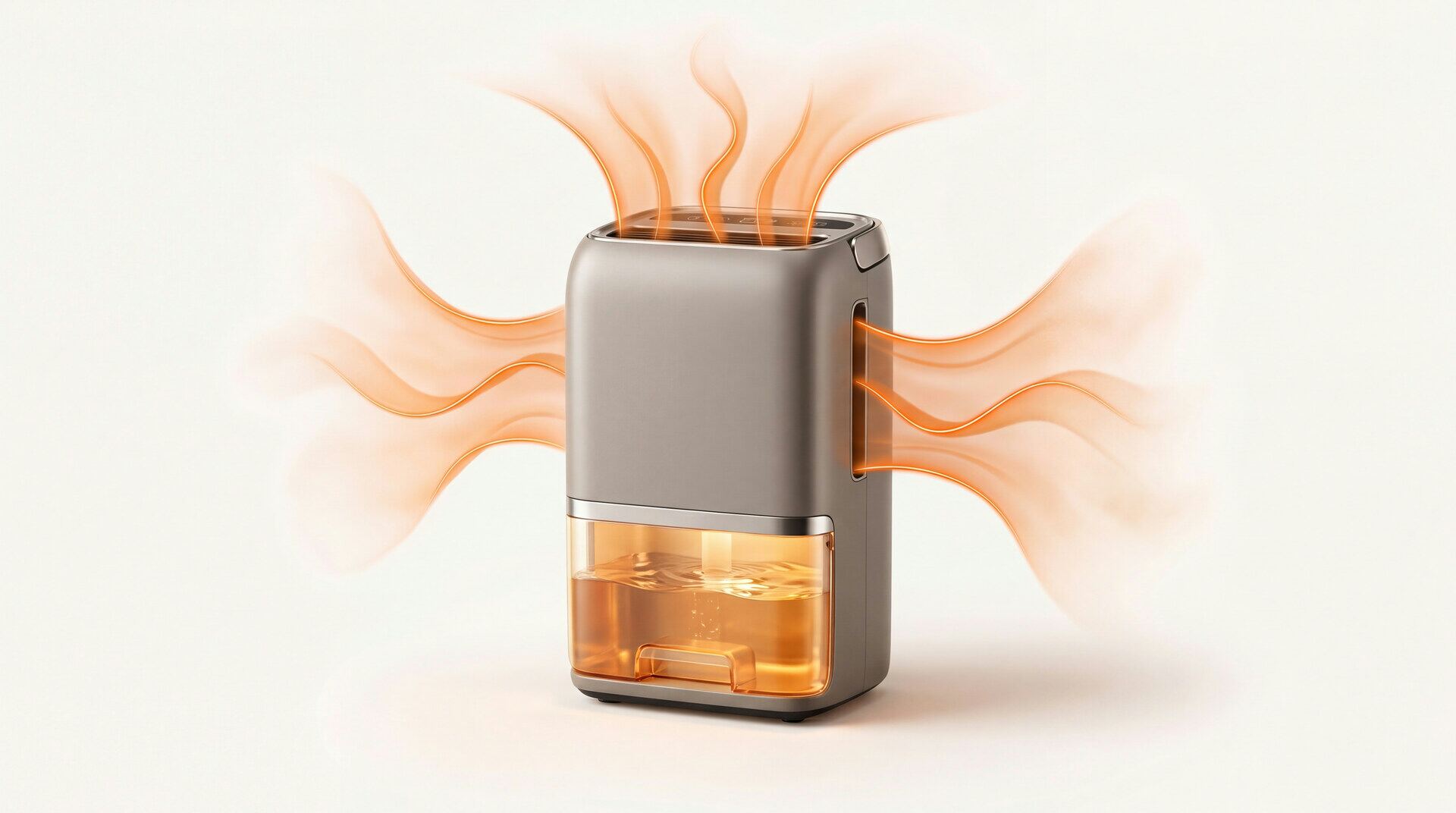
AirDoctor 3500 vs a dehumidifier: These solve different problems and are not substitutes for each other. A dehumidifier controls the moisture that lets mold grow in the first place. An air purifier only filters what is already airborne. Running both, a dehumidifier to keep humidity under 50% plus an air purifier for lingering spores, is the combination most remediation guidance points to.
For how it stacks up against our other top picks by category, see our full guide to the best air purifiers for mold.
Pros and cons
Pros: UltraHEPA filter independently tested to 99.99% capture down to 0.003 microns. Three filtration stages: pre-filter, carbon/VOC, UltraHEPA. Covers up to 1,260 square feet at a slower cycle rate. Auto mode with a built-in real-time air quality sensor. WhisperJet fan is quiet on lower speeds. 30-day guarantee plus a 1-year warranty from the manufacturer.
Cons: Premium price at $559 and up. Filter upkeep runs about $150 a year. Top fan speed is noticeably louder than the lower settings. Does nothing for mold already on a surface. Does not fix the moisture source that causes mold in the first place. Larger and heavier than budget purifiers, so it needs real floor or table space.
Our rating: 4.5 / 5. Strong filtration performance for its price class, with two honest caveats: ongoing filter cost, and it is a supplement to remediation, not a substitute for it.
Bottom line: The AirDoctor 3500 is a solid pick for reducing airborne mold spores and other fine particles in a mid-size to large room, once the actual mold has been cleaned and the moisture source has been fixed. For areas larger than 10 square feet of visible growth or toxic species like Stachybotrys, hire a qualified mold remediation professional first, one who follows the IICRC S520 standard (ACAC or RIA credentials and state licenses count too), then use the purifier for ongoing air quality.
Frequently asked questions
Does the AirDoctor 3500 help with mold?
It can help with airborne mold spores. The UltraHEPA filter is independently tested to capture 99.99% of airborne particles down to 0.003 microns, well below the 0.3 micron standard HEPA rating, which includes mold spores that are floating in the room. It cannot clean mold already growing on a wall, ceiling, or other surface, and it cannot fix the moisture source that is feeding the growth.
What size room does the AirDoctor 3500 cover?
AirDoctor rates the 3500 to circulate a 630 square foot room 4 times an hour, or a 1,260 square foot room twice an hour. For a room with an active mold problem, running it on a higher cycle rate in a smaller stated coverage area gets more air through the filter.
How loud is the AirDoctor 3500?
AirDoctor's WhisperJet fan system is quiet on the lower speeds, but owners report the top fan speed is noticeably louder, in the high 50 decibel range on some units. Auto mode keeps it on lower, quieter speeds unless the sensor detects a spike in particles.
How much do AirDoctor 3500 replacement filters cost?
Budget roughly $150 a year for filters. The UltraHEPA filter is rated for about 12 months and the carbon/VOC filter for about 6 months, so a full year of upkeep means one HEPA filter and two carbon filters.
AirDoctor 3000 vs 3500: what is the difference?
They share the same 3-stage UltraHEPA and carbon/VOC filtration. The 3500 is the larger, higher-output unit with a higher CADR and larger stated room coverage than the 3000. The 3500i adds smart features: an app, remote control, and a real-time air quality display.
Does an air purifier replace mold remediation?
No. The EPA is clear that air cleaners can supplement source control for airborne particles, but they do not diagnose, identify, or clean up an indoor mold problem. Visible mold growth needs to be physically cleaned or removed, and the moisture source needs to be fixed, or the growth comes back regardless of how good the air purifier is.
Is the AirDoctor 3500 worth the price?
For a home with a real airborne particle concern and a room in the 600 to 1,200 square foot range, yes, the filtration performance backs up the price. For a small bedroom or a tight budget, a smaller True HEPA unit gets most of the same spore-capture benefit for less money and lower filter costs.
Sources
Every claim on this page traces to one of these. Links open the primary document.