What Is Blue Mold?
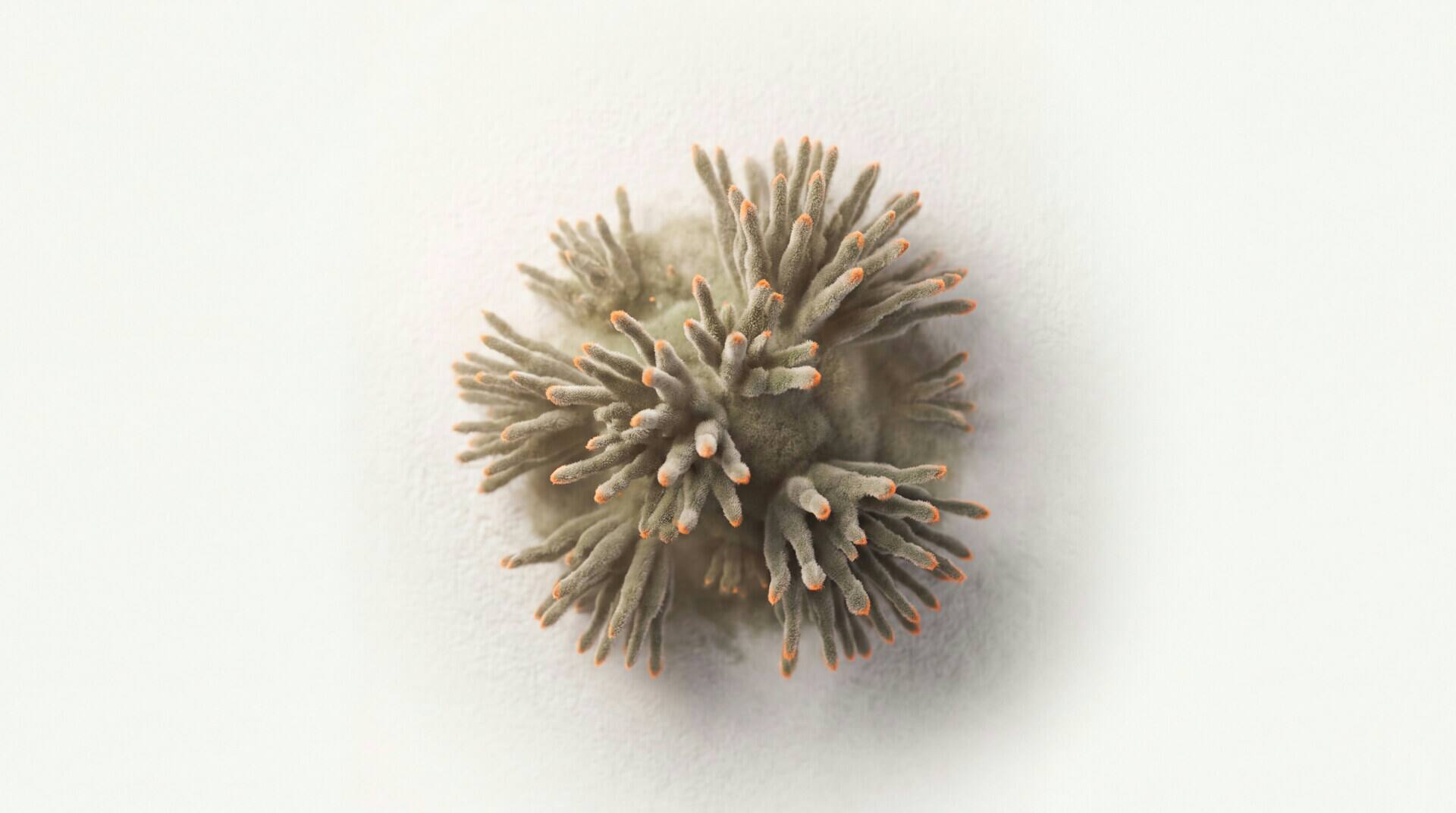
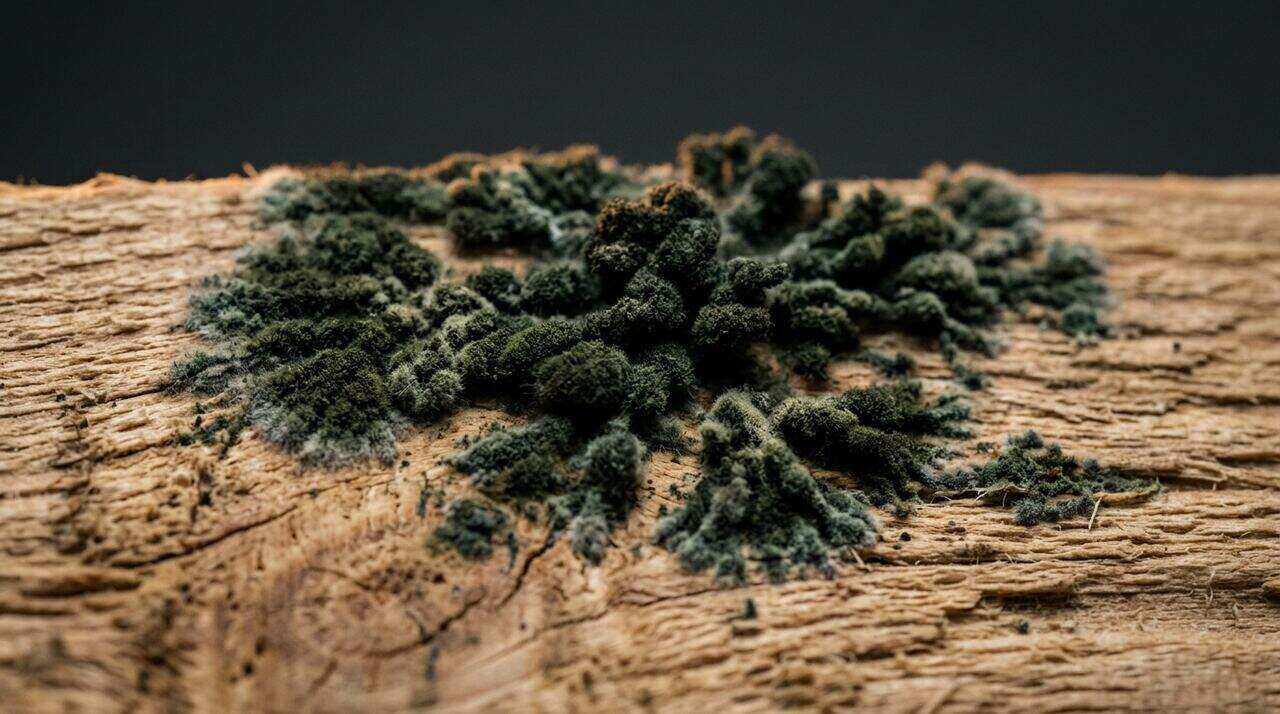
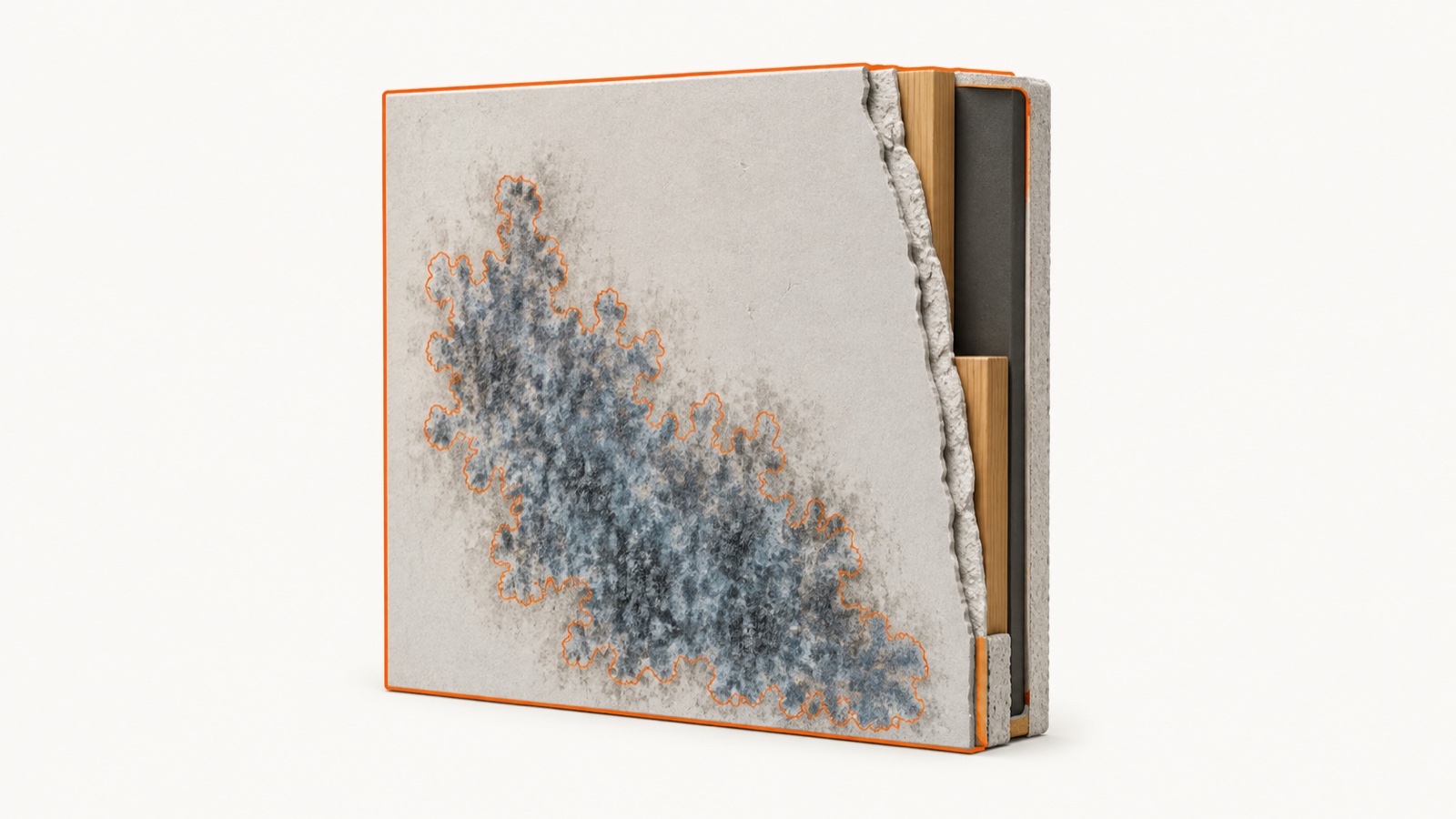
Blue mold is the everyday name for Penicillium, one of the most common molds found inside homes. It shows up blue-green, sometimes leaning toward teal or gray, with a velvety or powdery surface that often spreads in widening rings. If you have fuzzy blue-green growth on a damp surface, the odds heavily favor Penicillium.
You already know this genus, even if the name is new. Penicillium is the blue veining in blue cheese, the fuzzy blue-green rot on a forgotten orange, and the original source of the antibiotic penicillin. The same family that does useful work in a lab or a cheese cave also moves into damp building materials and stored food when conditions allow.
Penicillium spreads fast and tolerates cooler temperatures than many molds, which is why it turns up in basements, refrigerators, and chilly closets. It is closely related in appearance to some green molds, so a blue-green patch and a plain green patch can be the same organism at different ages. Our green mold guide covers the overlap.
Here is the catch that applies to every color: you can't read the species off the shade. A blue-green colony might be a mild allergen or a stronger one depending on which Penicillium species it is. If you need certainty, a lab test is the only way to confirm it. For the full color picture, see our guide to the types of mold.
Where Blue Mold Grows
Penicillium needs moisture and something organic to feed on. Indoors, that combination is easy to find. These are the usual spots.
- Water-damaged walls: Wallpaper, drywall paper, and paint after a leak or a humid stretch.
- Soft furnishings: Wet carpet and carpet pad, insulation, mattresses, and upholstered furniture.
- Stored food: Bread, citrus, soft fruit, jam, and leftovers in the fridge.
- Cool damp rooms: Basements, crawl spaces, and closets on exterior walls.
- HVAC and appliances: Filter housings, duct surfaces, and refrigerator door gaskets.
One thing worth separating out: blue or gray stain inside lumber. That discoloration comes from sap stain fungi that tint the wood without rotting it or growing fuzzy on top. It is mostly cosmetic in framing and trim. Fuzzy blue-green growth on a damp wood surface is more likely Penicillium feeding on moisture, which our mold on wood guide covers in detail.
Is Blue Mold Dangerous?
For most healthy people, a small patch of blue mold is a cleaning job, not an emergency. Knowing the real risks helps you judge your own situation.
The allergy angle is the most common one. The CDC links mold and damp indoor conditions to a stuffy nose, coughing, wheezing, a sore throat, and itchy eyes, with stronger reactions in people who have asthma or a mold allergy. Penicillium is one of the allergens most often reported in indoor air quality studies, so sensitive people may notice it sooner.
There is also a food angle. Some Penicillium species produce mycotoxins on stored food, which is why the EPA and food safety guidance say not to eat items with fuzzy mold growth. People with weakened immune systems can be more vulnerable to certain molds in general, so any visible growth in their living space is worth treating promptly.
The honest takeaway: the blue color itself doesn't tell you the danger level, but it does tell you a surface stays wet. That moisture can feed hidden mold you can't see. If anyone in the home has ongoing symptoms, the right move is to talk to a licensed physician rather than self-diagnose from a website.
How to Remove Blue Mold
How you clean blue mold depends on the surface. Match the method to where it's growing, and fix the moisture first or it comes right back.
Non-porous and semi-porous surfaces (tile, glass, sealed wood, metal)
- Spray with a no-bleach mold-control product like Concrobium Mold Control, 3% hydrogen peroxide, or undiluted white vinegar. Let it sit about 10 minutes.
- Scrub with a stiff brush, wipe clean, and dry the surface fully.
- On bare wood, you can seal the spot after it dries to lock in any remaining residue.
Porous surfaces (drywall, carpet, insulation)
- If the mold has soaked through the material, cleaning won't reach the roots. Cut out the affected section plus a margin beyond the visible growth and replace it.
- Bag the debris before carrying it through the house so spores don't spread.
Food
- Throw out soft foods such as bread, fruit, and leftovers entirely, since the roots run through them.
- For hard cheese, you can cut off an inch around and below the spot and keep the rest.
Wear an N95 mask, gloves, and goggles for any cleanup, because scrubbing throws spores into the air. For a small spot, one of the best mold removal products is enough. For anything larger than 10 square feet, hire a qualified remediation professional who follows the IICRC S520 standard. Not sure how serious it is? Our free water-damage documentation helper records accessible water-event conditions without a risk score. Skip the bleach on porous surfaces, since the chlorine stays on top while the water soaks in and feeds the regrowth underneath.
Preventing Blue Mold
Penicillium runs on moisture, so the prevention playbook is about staying dry.
- Keep humidity below 50 percent. A hygrometer costs about $10 to $20. Run a dehumidifier in basements and any room that reads high.
- Fix leaks within 24 to 48 hours. Mold can take hold on a wet surface in that window, so dry it fast and repair the source.
- Ventilate. Run bathroom and kitchen fans, and air out closets and basements that feel stuffy.
- Watch stored food. Eat or freeze bread and soft fruit before it sits, and wipe the fridge gasket now and then.
- Service the HVAC. Replace filters every 90 days and have ducts and coils inspected so spores aren't spread room to room.
Stay ahead of the damp and Penicillium rarely gets a foothold. A fan timer and a hygrometer cost far less than a contractor.
Blue mold on walls
Blue mold on walls is usually Penicillium growing on damp paint, wallpaper, or the paper face of drywall, and it tells you that wall has been wet.
On a wall it looks blue-green and velvety or powdery, often in rings that widen over time. It turns up after a leak or a humid stretch, and in cool rooms like basements and closets on exterior walls. The blue color doesn't say how bad it is. The moisture behind it does.
What to do about it
- Find and fix the water source first. Mold can take hold on a wet surface within 24 to 48 hours, so dry the wall fast and repair the leak.
- If the mold is on a hard, sealed surface and covers under 10 square feet, spray it with a no-bleach mold-control product or 3% hydrogen peroxide, let it sit about 10 minutes, scrub, and dry it fully. Wear an N95 mask, gloves, and goggles.
- If drywall or wallpaper backing is soaked through, cleaning won't reach the roots. Cut out the affected section plus a margin past the visible growth, bag the debris, and replace it.
- If it covers more than 10 square feet, hire a remediation professional who follows the IICRC S520 standard.
Skip the bleach on drywall. The chlorine stays on top while the water soaks in and feeds regrowth underneath. Our guide to how to get rid of mold covers every surface.
If the patch keeps coming back after you dry and clean it, the moisture source is still active. Mold can also grow inside a wall where you can't see it, and that takes a physical inspection to confirm.
Is blue green mold the same as blue mold?
Yes, in most homes blue green mold and blue mold are the same thing. Both names usually point to Penicillium, which looks blue-green and can lean toward teal or gray.
The color shifts, which is why people describe the same growth in different ways. A blue-green patch and a plain green patch can be the same organism at different ages. So a wall with blue and green mold side by side is not proof of two different molds. It could also be more than one, and you can't tell by looking. Our green mold guide covers the overlap.
Blue green mold on walls
Blue green mold on walls gets the same treatment as any Penicillium on a damp wall: fix the water first, then clean or cut out the material. The steps are in the section on blue mold on walls.
Can you tell the species from the color?
No. A blue-green colony might be a mild allergen or a stronger one depending on which Penicillium species it is, and shade alone can't confirm it. A lab test is the only way to know for sure. A photo can show signs of mold growth on a surface, but it can't name the species.
Can mold be bright blue?
Yes, mold can look blue. The blue mold found in homes is almost always Penicillium, which reads blue-green, sometimes teal or gray, so a truly bright blue patch deserves a second look.
Bright blue mold on food is the easier case. Blue cheese and citrus rot come from the same genus, and the fuzzy blue-green growth turns up on bread, soft fruit, jam, and leftovers too. Do not eat food with fuzzy mold. Throw soft foods out entirely, since the roots run through them. For hard cheese, you can cut off an inch around and below the spot and keep the rest.
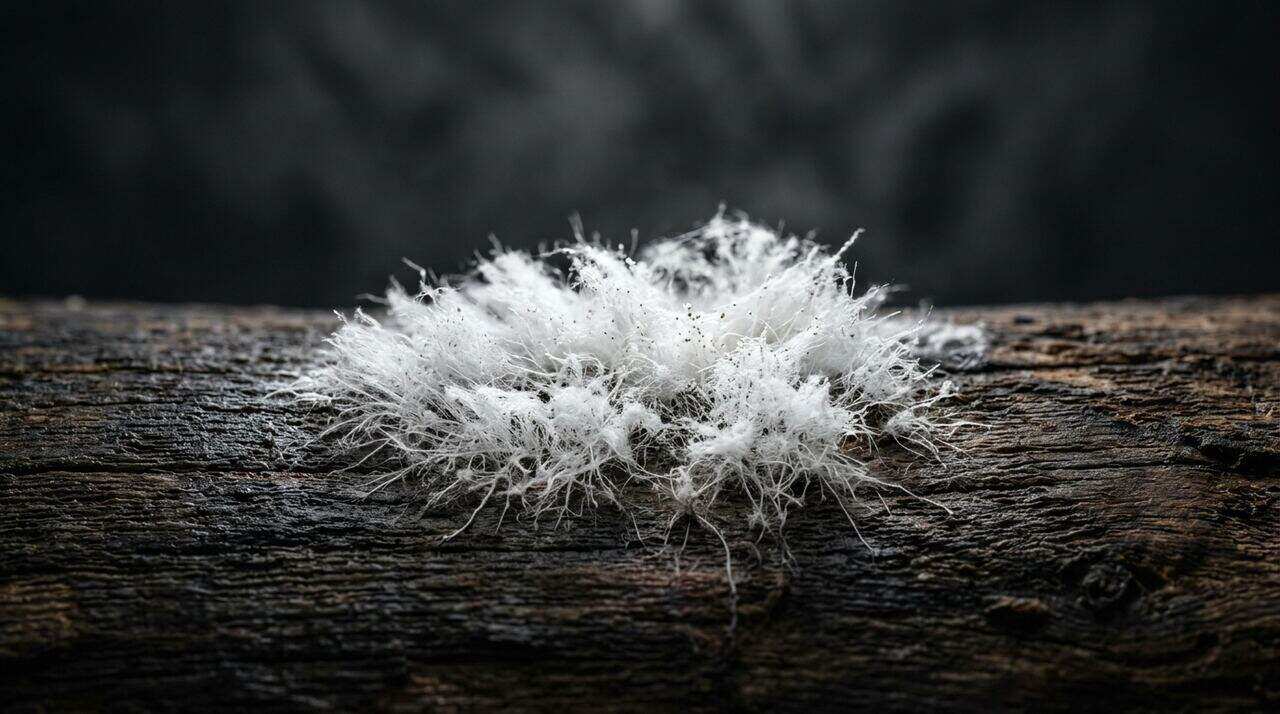
Blue on wood is a separate case. Blue or gray stain in lumber comes from sap stain fungi that color the wood without rotting it or growing fuzzy on top. A flat blue tint with no fuzz points toward stain. Fuzzy growth on damp wood is more likely Penicillium. Our mold on wood guide covers the difference.
If you find bright blue mold on a wall or anywhere else in the house, don't trust the shade to name it. Color alone can't confirm the species. You can scan a photo to check the spot for signs of mold growth, and a lab test is the way to confirm what it is.
Frequently asked questions
How do you clean blue mold off a wall?
First fix the moisture source. For a small area under 10 square feet on a hard, sealed surface, spray with a no-bleach mold-control product or 3% hydrogen peroxide, let it sit about 10 minutes, scrub, and dry fully, wearing an N95 mask, gloves, and goggles. If drywall or wallpaper backing is soaked through, cut out and replace the affected section. For blue mold on a wall larger than 10 square feet, hire a remediation professional who follows the IICRC S520 standard.
Is bright blue mold on food safe to eat?
No. Do not eat food with fuzzy mold growth. Bright blue mold on food is often Penicillium, the same genus behind blue cheese and citrus rot, but that does not make it safe, because some species can produce mycotoxins on stored food. Throw soft foods such as bread, fruit, and leftovers out entirely, since the roots run through them. For hard cheese, you can cut off an inch around and below the spot and keep the rest.
Is blue green mold the same as blue mold?
In most homes, yes. Blue green mold and blue mold usually both mean Penicillium, which looks blue-green and can lean toward teal or gray. A blue-green patch and a plain green patch can be the same organism at different ages. Color alone can't confirm the species, so a lab test is the only sure way to know.
What is blue mold?
Blue mold is almost always Penicillium, one of the most common indoor mold genera. It shows up as a blue-green velvety or powdery growth that spreads in rings. It is the same genus behind blue cheese, citrus rot, and the original source of penicillin. Indoors it grows on damp drywall, wallpaper, carpet, insulation, and stored food. Color alone cannot confirm the species, so lab testing is the only sure way to know.
Is blue mold dangerous?
For most healthy people, a small patch of blue mold is a cleaning problem rather than an emergency. The CDC links mold and damp exposure to a stuffy nose, coughing, wheezing, and itchy eyes, with stronger reactions in people who have asthma, allergies, or weak immune systems. Penicillium is a known allergen, and some species can produce mycotoxins on stored food. Clean it promptly, fix the moisture, and talk to a licensed physician about any symptoms.
How do you get rid of blue mold?
For small areas under 10 square feet on non-porous surfaces, spray with a no-bleach mold-control product or 3% hydrogen peroxide, let it sit about 10 minutes, scrub, and dry fully. Wear an N95 mask, gloves, and goggles. On porous materials like drywall, carpet, or insulation where the mold has soaked in, cut out and replace the affected section. For areas larger than 10 square feet, hire a qualified mold remediation professional who follows the IICRC S520 standard.
Is the blue mold on food the same as the mold on my wall?
They are often the same genus, Penicillium, but different species and contexts. The fuzzy blue-green on bread, citrus, or leftovers is Penicillium feeding on the food. The growth on a damp wall is Penicillium feeding on the moisture and organic dust in building materials. Do not eat food with fuzzy blue mold. For soft foods, throw the whole item out, since the roots spread through it.
Is blue stain on wood the same as blue mold?
Not exactly. Blue or gray stain in lumber comes from sap stain fungi that color the wood but do not rot it or grow fuzzy on the surface. It is mostly a cosmetic issue in framing and trim. Fuzzy blue-green growth on a damp wood surface is more likely Penicillium mold feeding on moisture. If the wood stays wet, treat it as a moisture problem either way.
Sources
Every claim on this page traces to one of these. Links open the primary document.