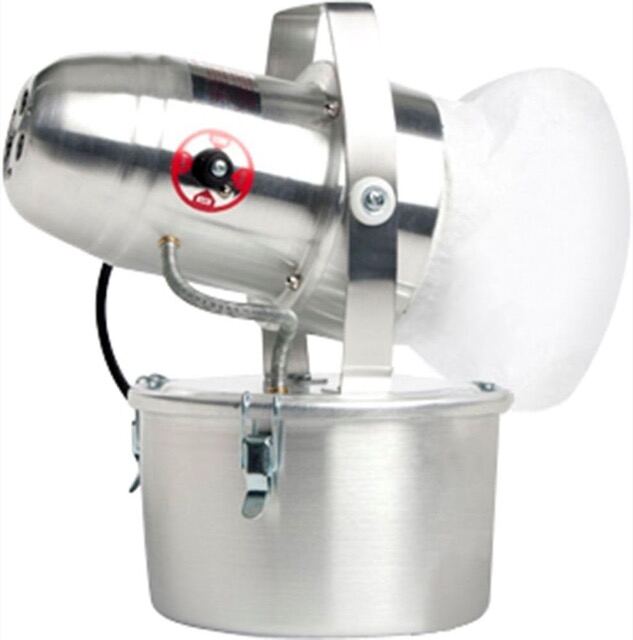
How the Concrobium Mold Control Fogger works
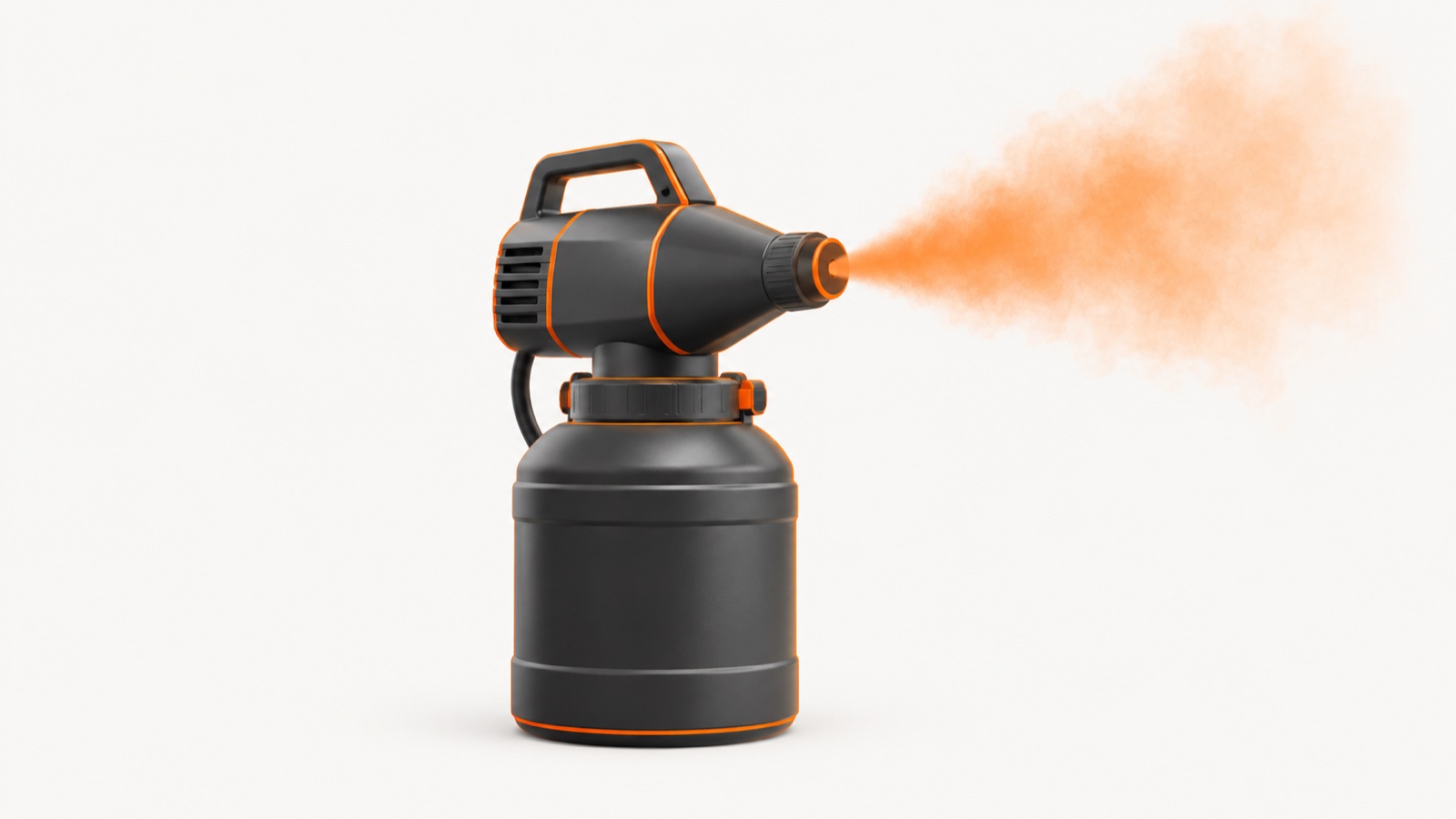
The fogger is not a chemical. It is a delivery system. You pour Concrobium Mold Control solution into its tank, and the unit atomizes that liquid into a fine mist. The manufacturer's own fogging instructions describe the objective plainly: saturate the air with fog so the Concrobium particles move through the space and coat surfaces. Instead of you hand-spraying one wall at a time, the fog drifts into the room and settles evenly on walls, floors, ceilings, and everything in between.
The mold-killing work is done by the solution itself, exactly as it works from the trigger bottle. As the mist dries on a surface, it forms a thin film that crushes mold at the root and leaves behind a barrier that resists regrowth. There is no bleach and no ammonia in the solution. The fogger just gets that film onto hundreds of square feet at once, including surfaces you could never reach with a spray bottle.
This is why the fogger earns its place: coverage. The official chart says a 180 square foot room with 8 foot ceilings takes about 8 minutes of fogging and 64 ounces of solution, and a 400 square foot space takes about 15 minutes and a full gallon, assuming you want every wall, floor, and ceiling coated. Amazon buyers rate the unit 4.5 stars across 4,138 ratings, and the recurring praise is exactly this: it works well, it is easy to use, and it clears musty basements. If the growth you are fighting looks like fuzzy, hairy black mold soaked into porous material, identify it first, because deeply penetrated material needs replacing, not fogging.
Where to use it (and where NOT to)
Use it for: Large spaces where hand-spraying is impractical. The manufacturer names entire basements, rooms, attics, and cellars, plus hard-to-reach spaces like crawl spaces and the inside of wall or ceiling cavities. It is also built for renovation work: fogging all sides of drywall, lumber, flooring, and ceiling tiles before installation gives the materials added mold resistance, and you can fog the whole space during framing. Musty storage areas and garages are the classic homeowner use case.
Do NOT use it for: A single small patch of mold. If the problem is one corner of the bathroom ceiling, a 32 ounce trigger bottle of the same solution does the same job for a fraction of the cost. The fogger also cannot save drywall or wood where mold has rooted through the material. If the drywall paper is soft and crumbly, cut the section out plus 12 inches beyond visible growth and replace it. No fog can reverse structural damage.
It does not replace fixing the water. The first rule of mold work is fixing the moisture source. Fog a leaky basement and the mold comes back. Fix the leak, fog the space, then hold humidity under 50 percent with a dehumidifier so the barrier the solution leaves behind actually gets to do its job.
Prep matters: the fog wets everything in the room. The official directions say to remove or cover anything that could be damaged by moisture, like books, magazines, paper products, and electrical equipment, before you start.
Not sure how serious the problem is yet? Use our free water-damage documentation helper to record accessible water-event conditions.
Step by step fogging instructions
These steps follow the manufacturer's official fogging directions.
Step 1: Protect yourself and the room. Wear an N95 respirator, gloves, and goggles, because working in a moldy space disturbs spores. Remove or cover paper products and electronics. Turn off HVAC in the space so spores and fog do not travel through the ducts.
Step 2: Fill and set up. Add Concrobium Mold Control to the fogger tank and fasten the clamps to secure the power head. Place the air intake filter over the silver end opposite the nozzle.
Step 3: Position the fogger. For a whole room, set the fogger in the middle of the space, about 4 feet off the floor for 8 foot ceilings (6 feet for 10 foot ceilings), angled 30 to 35 degrees upward.
Step 4: Fog on a timer, and rotate. Run roughly 8 minutes on high for a 180 square foot room (64 ounces of solution) or about 15 minutes for 400 square feet (1 gallon), longer for higher ceilings. Rotate the fogger a full 360 degrees across the treatment, for example a quarter turn every 2 minutes on an 8 minute job. Watch the surfaces: runoff or pooling means you are over-applying, so turn the flow rate down or rotate more often.
Step 5: Let it settle, wipe, and dry overnight. After fogging, let the fog dissipate for 15 to 20 minutes, then wipe excess wetness off flat surfaces with a clean cloth. Let everything dry overnight and do not rinse, because rinsing removes the protective film. Glass and mirrors may need a wipe after drying.
Step 6: Purge the lines. When you are done, open the reservoir, lift the suction tube out of the liquid, and run the fogger for one minute on high. That clears leftover solution from the internal lines so the unit is ready next time.
Fogger vs spray bottle vs pro remediation
Fogger vs the 32 oz trigger spray: Same solution, different scale. The spray bottle is the right buy for visible mold on a reachable surface: a shower wall, a windowsill, a patch of concrete. The fogger is the right buy when the whole space is the problem: a musty basement, an attic after a roof leak, a crawl space you can barely fit into. Under about 10 square feet of visible growth, buy the bottle. Whole room or inaccessible cavity, buy or rent the fogger. Read our full Concrobium Mold Control review for how the solution itself performs.
Fogger vs one-shot fog bombs: Total-release foggers are single-use canisters you set off and discard. The Concrobium unit is a reusable machine with an adjustable flow rate, so you control how much solution goes where, and you can retreat as often as needed for just the cost of solution. If you expect to treat more than once, the reusable unit wins on cost per treatment.
Fogger vs renting: Some tool rental outlets carry this exact unit. For a one-time job in one room, renting can make sense. Buying makes sense for recurring damp spaces, renovations where you want to pre-treat building materials, or landlords managing multiple units.
Fogger vs professional remediation: Fogging is a surface treatment and a preventive tool, not a substitute for remediation. For contamination larger than about 10 square feet, moldy material that needs removal, or suspected growth inside walls or HVAC, hire a qualified professional who follows the IICRC S520 standard. Amazon reviewers often frame the fogger as a money-saver next to a remediation bill, and that is fair, but only for the jobs that were DIY-appropriate in the first place.
For how it stacks up against every other option, see our full guide to the best mold removal products and the master Best Mold Products hub.
Pros and cons
Pros: Evenly coats an entire room in minutes, including surfaces you cannot reach by hand. Uses the same EPA-registered, bleach-free Concrobium Mold Control solution as the trigger bottle. Adjustable Low, Medium, High flow rate to match room size and surface absorbency. Reusable, with a simple one-minute line purge for cleanup. Can pre-treat drywall, lumber, and flooring during renovations for added mold resistance. Well reviewed by owners: 4.5 stars across 4,138 Amazon ratings, with buyers calling it effective and easy to use, especially in basements.
Cons: It is a real investment compared to a spray bottle, and some buyers say so. The unit is heavy to lug around. Owner opinions on long-term durability are mixed. Surfaces need a wipe-down after fogging, glass and mirrors may need a second wipe after drying, and the room is out of service overnight while the treatment dries. Over-applying causes runoff and pooling, so you have to watch the flow rate. And like every surface treatment, it cannot reach mold rooted deep in drywall or wood, and it does not fix the moisture source.
Our rating: 4.3 / 5. Excellent for its lane, which is treating whole rooms and unreachable spaces with a solution we already rate highly. It loses ground only on price, weight, and the fact that most households simply do not need this much applicator.
Bottom line: If you are fighting a whole musty basement, a post-leak attic, or a crawl space, the Concrobium Mold Control Fogger is the honest way to get the solution onto every surface at once, and it beats hand-spraying by miles. If you are fighting one patch of visible mold, skip it and buy the 32 ounce spray. For growth over 10 square feet or suspected hidden contamination, bring in a professional who follows the IICRC S520 standard.
Cold ULV fogger · adjustable flow · best for whole basements and attics. Affiliate link.
Skip this product if
- Your mold problem is one visible patch under about 10 square feet. The 32 ounce trigger spray of the same solution handles that for a fraction of the price.
- You have not fixed the moisture source yet. Fog all you want; if the leak or humidity stays, the mold returns.
- The mold has rooted through drywall paper or into soft wood. That material needs cutting out and replacing, not fogging.
- You expect the fog to remove stains. The solution kills growth and leaves a protective film; it does not bleach out discoloration.
- You need the room back the same day. The official directions call for a wipe-down plus overnight drying, and no rinsing.
- You only have one small job and a tool rental outlet near you carries the unit. Renting for a day beats owning a machine you will use once.
Mold fogger for crawl space
A mold fogger for crawl space treatment makes sense when growth is spread across a space too tight to spray by hand, because the mist settles on surfaces you cannot reach. The manufacturer lists crawl spaces and wall or ceiling cavities as hard-to-reach spaces this fogger is built for.
Fix the water first. A crawl space that stays damp will grow mold again no matter how well you fog it, so stop the leak or seepage, then hold humidity under 50 percent with a dehumidifier so the barrier the solution leaves behind can do its job.
Before you fog a crawl space
- Wear an N95 respirator, gloves, and goggles, because working in a moldy space disturbs spores.
- Turn off HVAC in the space so spores and fog do not travel through the ducts.
- Remove or cover paper products and electrical equipment, since the fog wets everything.
- Watch for runoff or pooling. If you see it, turn the flow rate down or rotate the fogger more often.
The official chart on this page is written for rooms with 8 foot ceilings: about 8 minutes and 64 ounces for 180 square feet, and about 15 minutes and 1 gallon for 400 square feet. A crawl space is lower than that, so check the manufacturer's fogging instructions and label for your space instead of guessing a run time.
Fogging does not fix everything down there. If wood or drywall paper is soft and crumbly, it needs to be cut out and replaced. For growth larger than about 10 square feet, or suspected growth inside walls or HVAC, hire a professional who follows the IICRC S520 standard.
Mold fogger for attic spaces after a roof leak
A mold fogger for attic spaces works best after the roof leak is fixed, since fog kills growth on surfaces but does nothing about the water that fed it. The manufacturer names attics as one of the large spaces this fogger is meant for.
An attic after a roof leak is the classic case for this tool, because the growth is often spread over rafters and sheathing that are awkward to reach with a trigger bottle. The fogger coats all of it in one pass and gets into corners a hand sprayer misses.
- Fix the leak and dry the space out. Fogging a wet attic only treats the symptom.
- Wear an N95 respirator, gloves, and goggles. Turn off HVAC in the space, and remove or cover stored paper, boxes, and electronics.
- Set up the fogger following the manufacturer's directions. Higher ceilings need more time, and the placement height changes from 4 feet to 6 feet when the ceiling goes from 8 feet to 10 feet.
- Let the fog dissipate for 15 to 20 minutes, wipe excess wetness off flat surfaces, and let everything dry overnight. Do not rinse.
Check the wood before you spend a gallon of solution. If it is soft or crumbly, the mold has rooted through it, and replacing it is the fix. If the affected area is larger than about 10 square feet, call a qualified professional.
What mold fogger reviews say about the Concrobium unit
Most mold fogger reviews of this unit are positive: Amazon buyers rate it 4.5 stars across 4,138 ratings and call it effective and easy to use, with the most praise coming from people fogging musty basements.
That fits how the tool is built. For a mold fogger for basement jobs, the appeal is coverage: one run coats the walls, floor, and ceiling of a whole room instead of one wall at a time. Our own rating is 4.3 out of 5.
What owners complain about
- It costs a lot more than a spray bottle, and some buyers say so.
- The unit is heavy to carry around.
- Opinions on long-term durability are mixed.
- Surfaces need a wipe-down, and the room is out of use overnight while it dries.
Two other kinds of reviews get mixed up with this one. Searches for mold bomb reviews turn up single-use total-release canisters, which are a different product from this reusable machine with an adjustable flow rate. And Concrobium Mold Control reviews of the solution itself are in our full Concrobium Mold Control review, since the fogger only delivers that solution.
Frequently asked questions
Are mold fogger reviews good?
Mostly yes. Amazon buyers rate the Concrobium Mold Control Fogger 4.5 stars across 4,138 ratings, and they call it effective and easy to use. The common complaints are the price, the weight, and mixed opinions on long-term durability. Our editorial rating is 4.3 out of 5.
Does a mold fogger work in an attic?
Yes, once the roof leak is fixed. The manufacturer names attics as a large space the fogger is meant for. Cover or remove stored paper and electronics, turn off HVAC, and allow more time if the ceiling is high. If the wood is soft or crumbly, replace it instead of fogging it.
Is a mold fogger worth it for a crawl space?
It can be, if the crawl space has widespread growth and you cannot reach it with a spray bottle. The manufacturer lists crawl spaces as a hard-to-reach space the fogger is made for. It will not replace fixing the moisture source, and it cannot save soft or rotted wood. For a small patch, a trigger spray of the same solution costs far less.
Can you use a mold fogger in a basement?
Yes. The manufacturer names entire basements as a use for this fogger. Fix any leak first and keep humidity under 50 percent, then fog the room. The official chart says a 400 square foot space takes about 15 minutes and 1 gallon of solution with 8 foot ceilings. Wipe flat surfaces after the fog settles and let the room dry overnight without rinsing.
Does the Concrobium Mold Control Fogger kill mold?
The fogger itself is an applicator. The mold work is done by the Concrobium Mold Control solution you pour into its tank. The fogger atomizes that solution into a fine mist that saturates the air and coats every exposed surface in the room. As the solution dries, it forms a thin film that crushes mold at the root and leaves a barrier against regrowth. So the answer is yes, but only in the same way a paint sprayer paints: the fogger is the delivery system.
How long does the fog take to dry?
The manufacturer says to let the fog dissipate for 15 to 20 minutes after fogging, wipe excess wetness off flat surfaces with a clean cloth, then let surfaces dry overnight. Do not rinse. Glass and mirrors may need a wipe after drying. Plan on the room being out of service until the next day.
How much Concrobium solution do you need per room?
The official fogging chart says a 180 square foot room with 8 foot ceilings takes about 8 minutes of fogging on the high setting and 64 ounces of solution. A 400 square foot space takes about 15 minutes and a full gallon. Those figures assume you are coating all walls, floors, and ceilings, and rooms with higher ceilings need more time.
Where should you NOT use the Concrobium fogger?
Skip it for one small patch of mold, where a 32 ounce trigger spray does the same job for far less money. It also cannot fix mold that has rooted deep into porous drywall or wood, which needs cutting out and replacing, and it is not a substitute for fixing the moisture source. Remove or cover books, paper, and electronics before fogging, because the mist wets everything in the room.
Do you need protective gear while fogging?
Yes. Wear an N95 respirator, gloves, and goggles while treating a moldy space, because working around mold disturbs spores. Position the fogger, run it for the listed time while rotating it, then let the fog dissipate for 15 to 20 minutes before wiping surfaces. The EPA recommends people who are sensitive to mold stay out of the work area during cleanup.
Should you rent or buy a mold fogger?
If you have a one-time job in a single room, renting can make sense, and some tool rental outlets carry this exact unit. Buying makes sense when you have a chronically damp basement, crawl space, or attic that you plan to retreat, or a renovation where you want to pre-treat building materials. The unit is a real investment compared to a spray bottle, so match it to the size of the problem.
Sources
Every claim on this page traces to one of these. Links open the primary document.